
[[{“value”:”

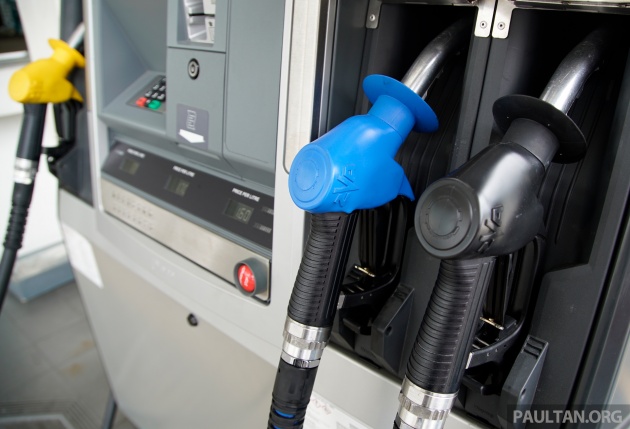
While the Budi Madani RON 95 (Budi95) petrol subsidy is helping cushion consumers from the effects of rising fuel costs at the pump, it doesn’t address broader inflationary pressures driven by the latter across the supply chain, and it is only a matter of time before cost-related pressures catch up in a big way, says a policy institute.
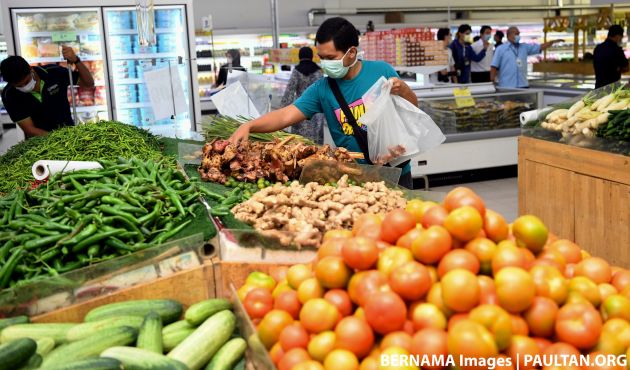
According to Institute of Strategic Analysis and Policy Research (INSAP) director Woon King Chai, the impact of diesel prices surging more than 100% in recent weeks is triggering cost increases throughout transportation, logistics and food production. “This is primarily a supply-side issue. Businesses still have to operate, and diesel is a critical input. These costs will eventually be passed on to consumers,” he said.
As a result of this, INSAP projects headline inflation to reach between 6.1 and 6.6% this year, the increase being driven primarily by food supply chain pass-through effects that are not covered by the RON 95 subsidy, the New Straits Times reported last week.
He added that the effective economy-wide increase in diesel-related costs is estimated at 79.2%, which amplify price pressures across multiple sectors. This impact, he said, is regressive, with B40 households facing an estimated monthly income loss of RM165, or about 4.8% of income, while lower M40 households could see losses ranging from RM242 to RM355.
He said while targeted assistance such as diesel subsidies and sector-specific aid is helpful, it does not fully address the wider impact on households that are indirectly affected through higher food prices. “The percentage impact may look similar across groups, but lower-income households have no buffer to absorb these increases,” he said.
Woon also raised concerns over inconsistencies in fuel price adjustments under the Automatic Pricing Mechanism (APM), saying that recent weekly increases did not fully align with expected movements, based on available proxy data. “We observed that price increases over the past seven weeks have not been consistent with the automatic pricing mechanism. There are gaps between the announced retail price and what the formula would suggest,” he said.
While the finance ministry had recently provided more transparency, including acknowledging a one-week lag in pricing inputs, Woon said that further disclosure of the full APM formula would improve business confidence and cost planning.
He said that rising oil prices worsen the government’s financial position despite higher petroleum-related revenues from what the country exports. “Additional revenue from higher oil prices can only cover about 26% of the subsidy cost. For every ringgit we gain, we are spending far more to sustain subsidies,” he said.
At the same time, he said that removing subsidies is not a viable option, as it would significantly drive up inflation. “If the RON 95 subsidy is removed, it could add more than six percentage points to inflation, on top of existing pressures,” he said. He called for structural reforms, including greater transparency in fuel pricing and tax reforms such as a potential reintroduction of the goods and services tax (GST) as well as the establishment of a strategic petroleum reserve.
The post Subsidies cushioning the impact of fuel price hikes, but cost-related pressures will catch up – INSAP appeared first on Paul Tan’s Automotive News.
“}]]
 [[{“value”:”While the Budi Madani RON 95 (Budi95) petrol subsidy is helping cushion consumers from the effects of rising fuel costs at the pump, it doesn’t address broader inflationary pressures driven by the latter across the
The post Subsidies cushioning the impact of fuel price hikes, but cost-related pressures will catch up – INSAP appeared first on Paul Tan’s Automotive News.”}]] Read More Paul Tan’s Automotive News