
[[{“value”:”
Samsung Galaxy Fold 8: Two-minute review
It’s high praise that one of my biggest problems with the Samsung Galaxy Z Fold 8 is that I wish it had a different name.
The fact that the Galaxy Z Fold 8 Ultra has taken up the mantle of the Galaxy Z Fold 7 and all previous Galaxy Z Fold models is a little confusing. But titles aside, what Samsung has actually done here with the Galaxy Z Fold 8 — that is, build a new kind of foldable for a new kind of audience — deserves recognition, and I’m glad the South Korean giant has once again moved the category forward in a meaningful way.
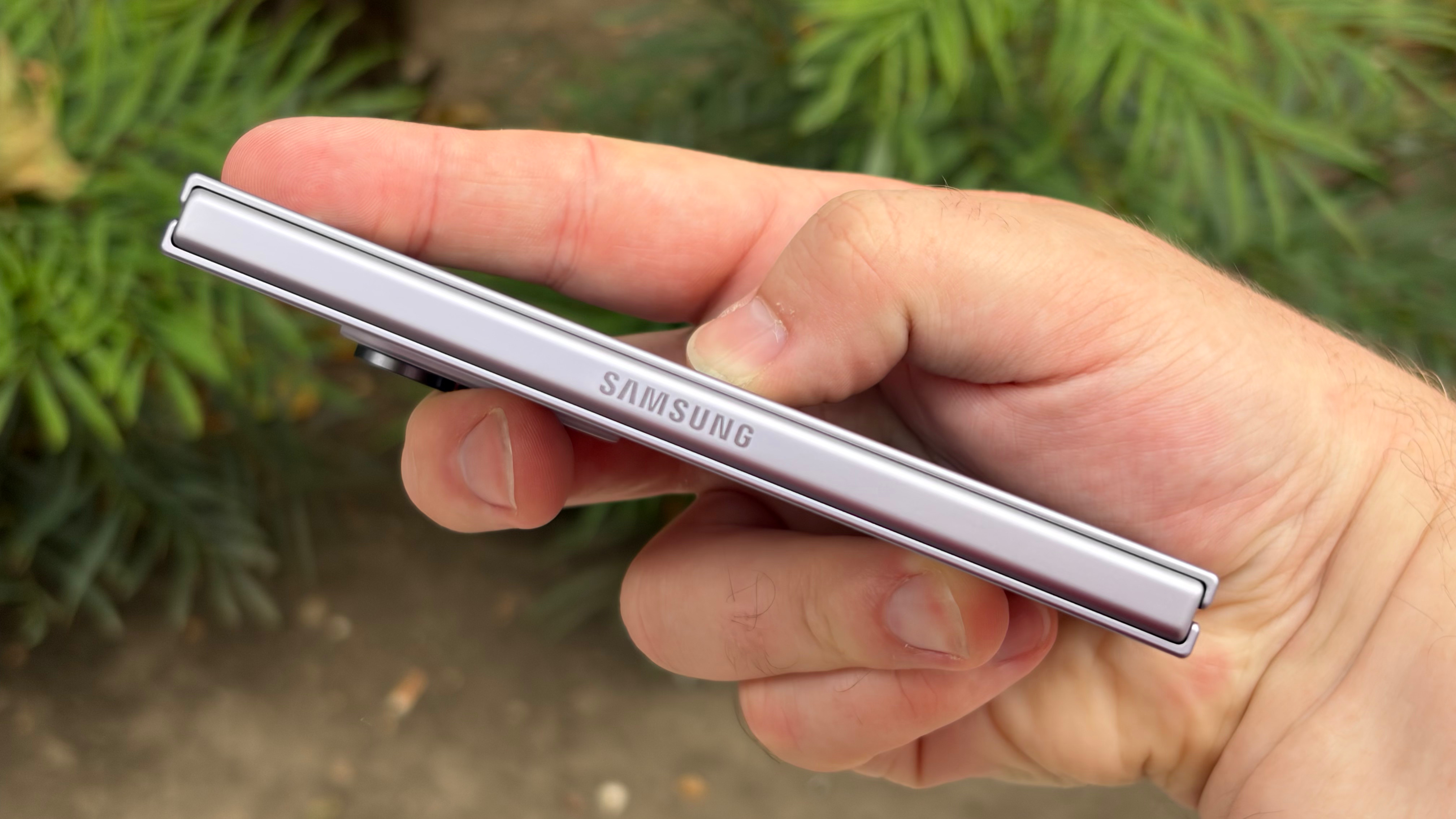
Ideal Galaxy Z Fold 8 users are those focused on mobile entertainment and exploring new ideas with a pair of screens that Samsung has shaped specifically for watching video and reading, respectively.
While the phone is still technically capable, with an excellent chipset, plenty of memory, and strong battery and charging specs, it’s being sold more on its everyday use cases — and convincingly so.
In one way, it’s going to be hard to judge how good the Galaxy Z Fold 8 is until we get the long-rumored foldable iPhone, which is going to be the second (and perhaps more important) passport-style foldable to hit Western markets. But what I can say right now, looking at the Galaxy Z Fold 8 itself and the wider foldable phone and Android phone markets, is that this mid-sized foldable may herald a new generation of folding phones. I just wish it wasn’t so expensive.
Samsung Galaxy Fold 8 review: Price and availability
- From $1,899 in the US
- From £1,699 in the UK
- From $2,699 in Australia
Starting at $1,899 /£1,699 / AU$2,699, the Galaxy Z Fold 8 is currently in its pre-order phase; it’ll hit shelves on August 7.
These prices put the phone in between the Galaxy Z Flip 8 and Galaxy Z Fold 8 Ultra in terms of cost, and it’s cheaper than the Galaxy Z Fold 7, which retailed for $1,999.99 / £1,799 / AU$2,899 at launch.
Samsung releasing a cheaper book-style foldable is absolutely a good thing, but the small price difference between the Galaxy Z Fold 8 and Z Fold 8 Ultra makes the former seem a little too keenly-priced.
That said, excluding the Huawei Pura X — which is hard to get in the West and requires some fiddling to get working with familiar Google services — and the as-yet-unnannounced iPhone Ultra, the Galaxy Z Fold 8 is the only representative of this size of foldable you can easily buy right now.
Hopefully future discounts will make this phone more affordable, but right now, it seems like Samsung’s charging a little uniqueness tax on top of what the Galaxy Z Fold 8 is truly worth.
|
Storage |
US price |
UK price |
AU price |
|---|---|---|---|
|
256GB |
$1,899.99 |
£1,699 |
AU$2,699 |
|
512GB |
$2,099.99 |
£1,869 |
AU$2,999 |
|
1TB |
$2,499.99 |
£2,209 |
AU$3,599 |
- Value score: 3 / 5
Samsung Galaxy Fold 8 review: Specs
These are the key specs of the Galaxy Z Fold 8:
|
Dimensions: |
Unfolded: 161.4 x 123.9 x 4.5mm, Folded: 81.9 x 123.9 x 9.7mm |
|
Weight: |
201g |
|
Displays: |
Main: 7.6-inch Dynamic AMOLED 2X, Cover: 5.5-inch Dynamic AMOLED 2X |
|
Resolution: |
Main: 2448 x 1848, Cover: 1972 x 1248 |
|
Refresh rate: |
1 – 120Hz (main and cover) |
|
Peak brightness: |
3,000 nits |
|
CPU: |
Snapdragon 8 Elite Gen 5 for Galaxy |
|
RAM: |
12GB, 16GB (1TB model only) |
|
Storage: |
256GB, 512GB, 1TB |
|
OS: |
Android 17 with One UI 9 |
|
Cameras: |
50MP wide (f/1.8), 50MP ultra-wide (f/1.9) |
|
Selfie Cameras: |
10MP (f/2.2) inner, 10MP (f/2.2) outer |
|
Battery: |
4,800mAh |
|
Charging: |
45W wired, 20W wireless |
|
Colors: |
Lavender, Graphite, Cream, Mint (Samsung Store exclusive) |
Samsung Galaxy Fold 8 review: Design
- Compact and light for a “big” folding phone
- Outer and inner screens equally useful
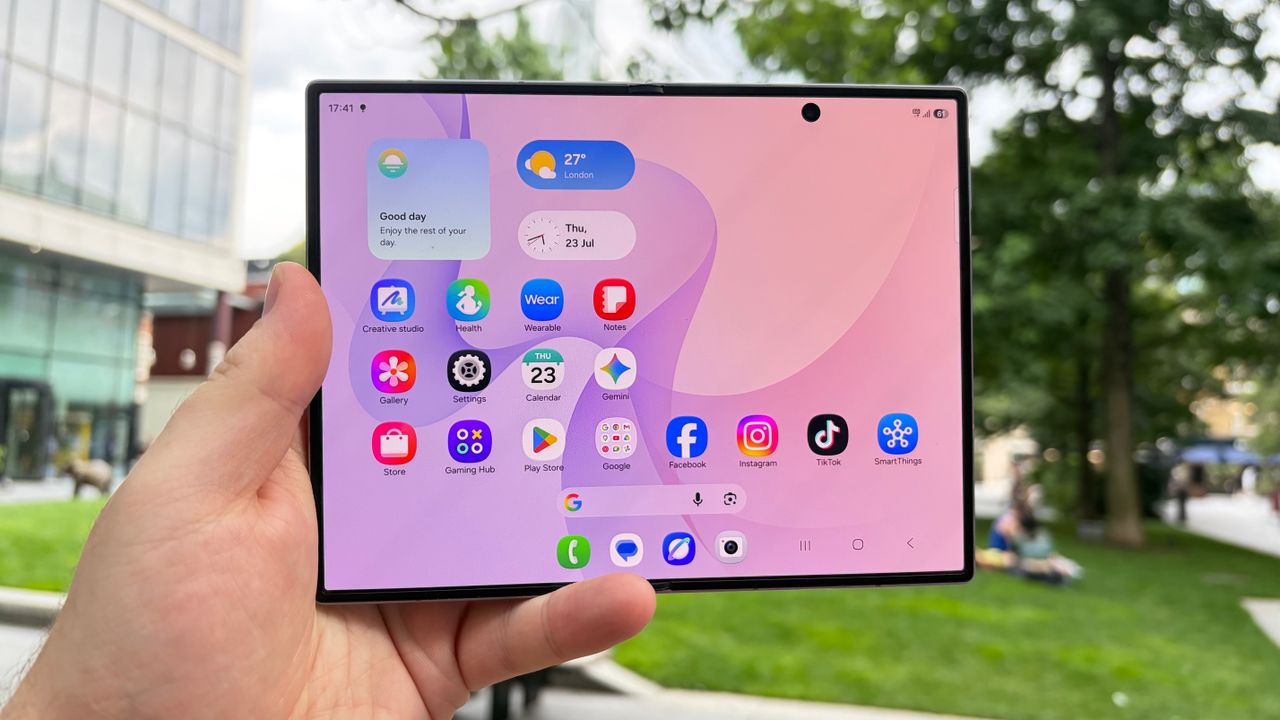
When open, the Galaxy Z Fold 8’s 7.6-inch screen resembles a typical foldable phone, with a few exceptions.
It’s easier to handle, with its 201g weight making it lighter than any other book-style foldable, while the phone’s 4.5mm thickness also contributes to it feeling like a small tablet. The minimal crease, while not as invisible as the Z Fold 8 Ultra’s, is barely a distraction unless you happen to catch the light in a particular way, and it’s only noticeable to the touch when you’re trying to look for it.
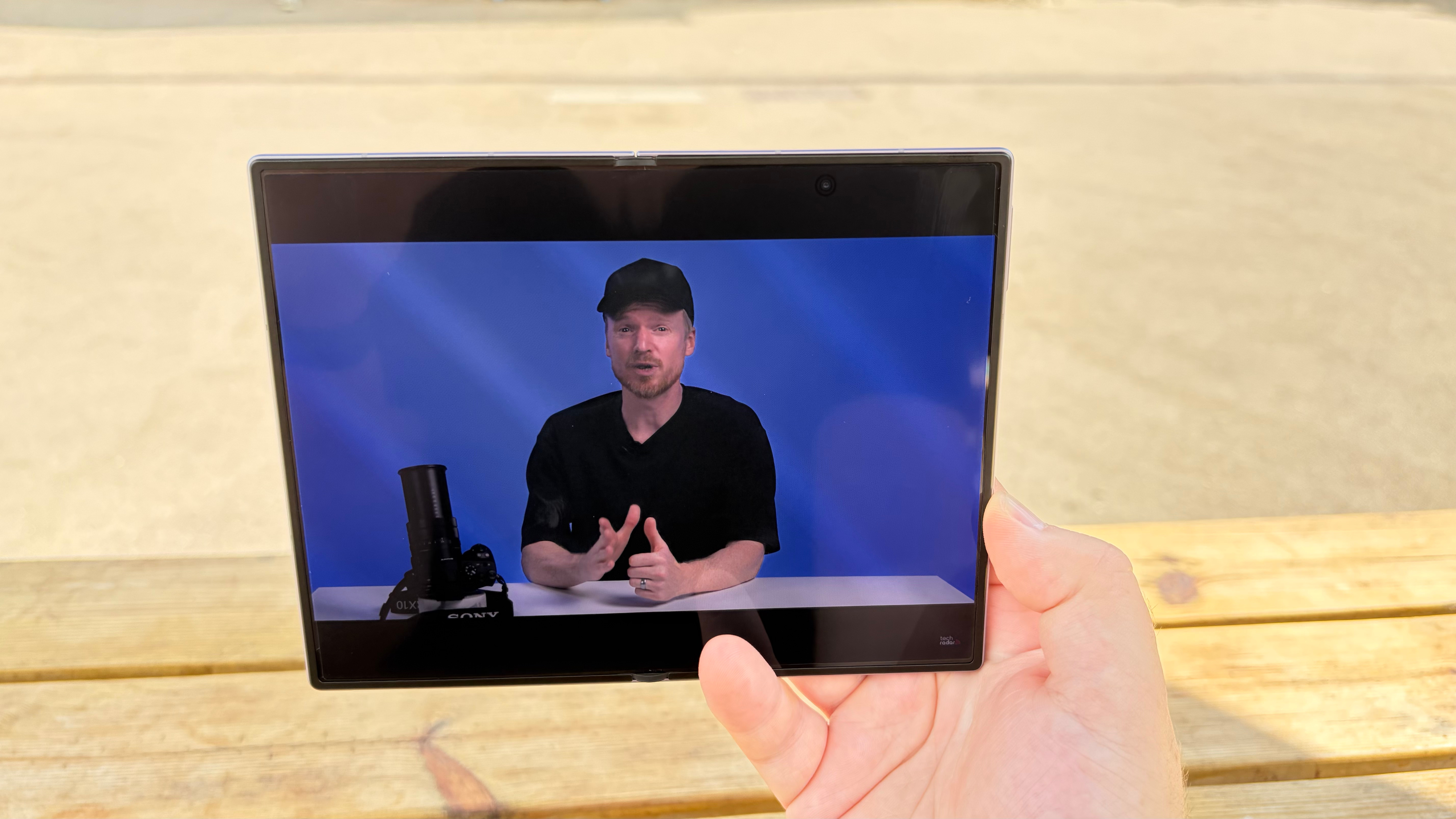
With its slightly rectangular open shape, the Z Fold 8 is much more similar in size and form to an iPad (specifically, the iPad mini) or ereader than most foldables, which tend towards a square shape. And while being square can have its advantages, I have really fallen for the Z Fold 8’s design during my testing time.
While working on this review, I often turned the Z Fold 8 vertically for a physical document-style view of my work. You get almost double the number of lines in Google Docs with the keyboard open as you do with the Fold 8 in its regular orientation, while the keyboard remains split for easier typing. As a result, the Z Fold 8 is now my favorite device without a physical keyboard to write on, even though Samsung considers the Z Fold 8 Ultra to be the top choice for anyone wanting to get serious work done.
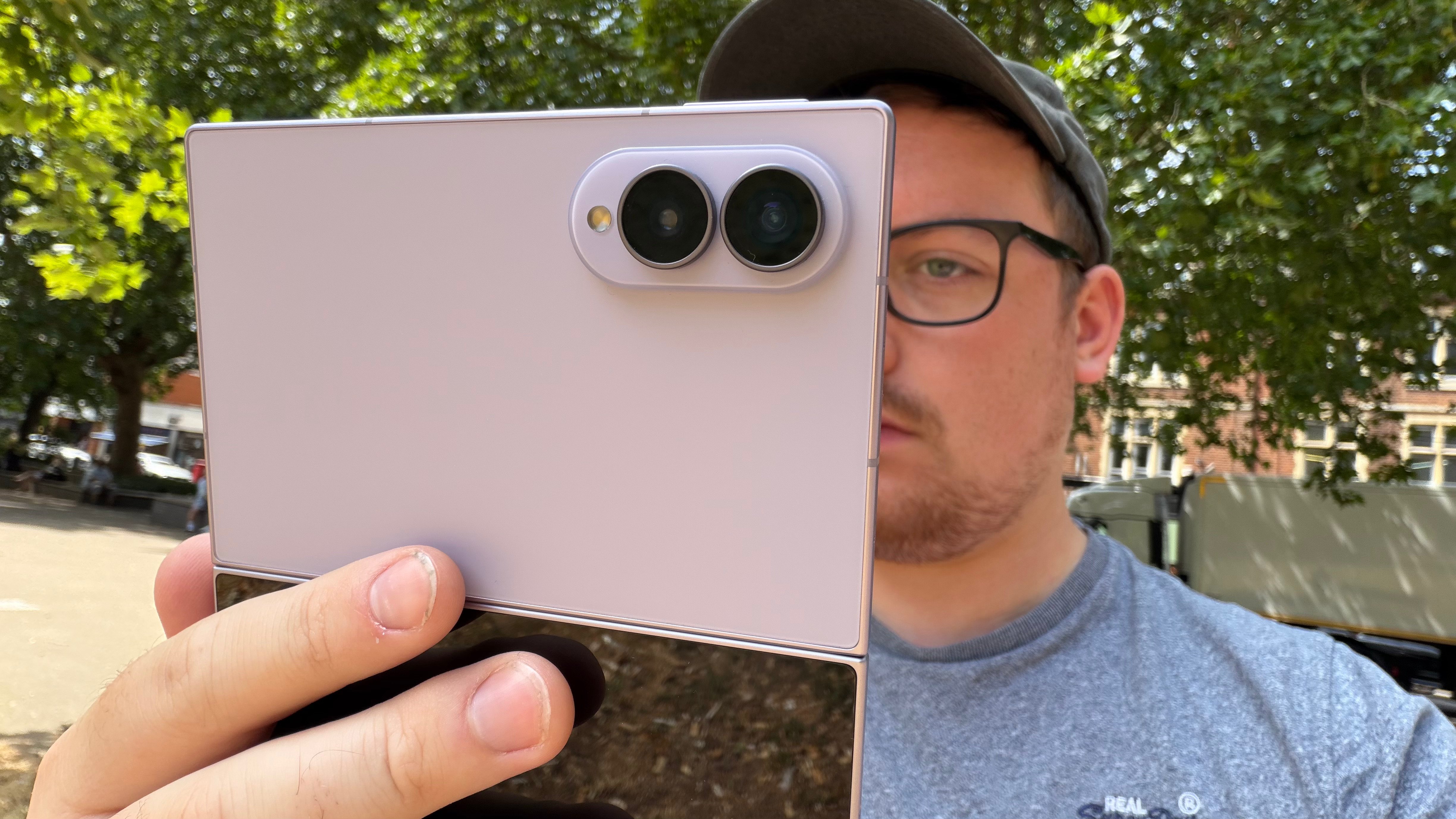
However, I also found myself less inclined to open the Z Fold 8 than I have been with other book-style foldables. The phone’s outer 5.5-inch screen is perfect for one-handed use of fully-sized apps, which isn’t a given even on standard bar-shaped phones today.
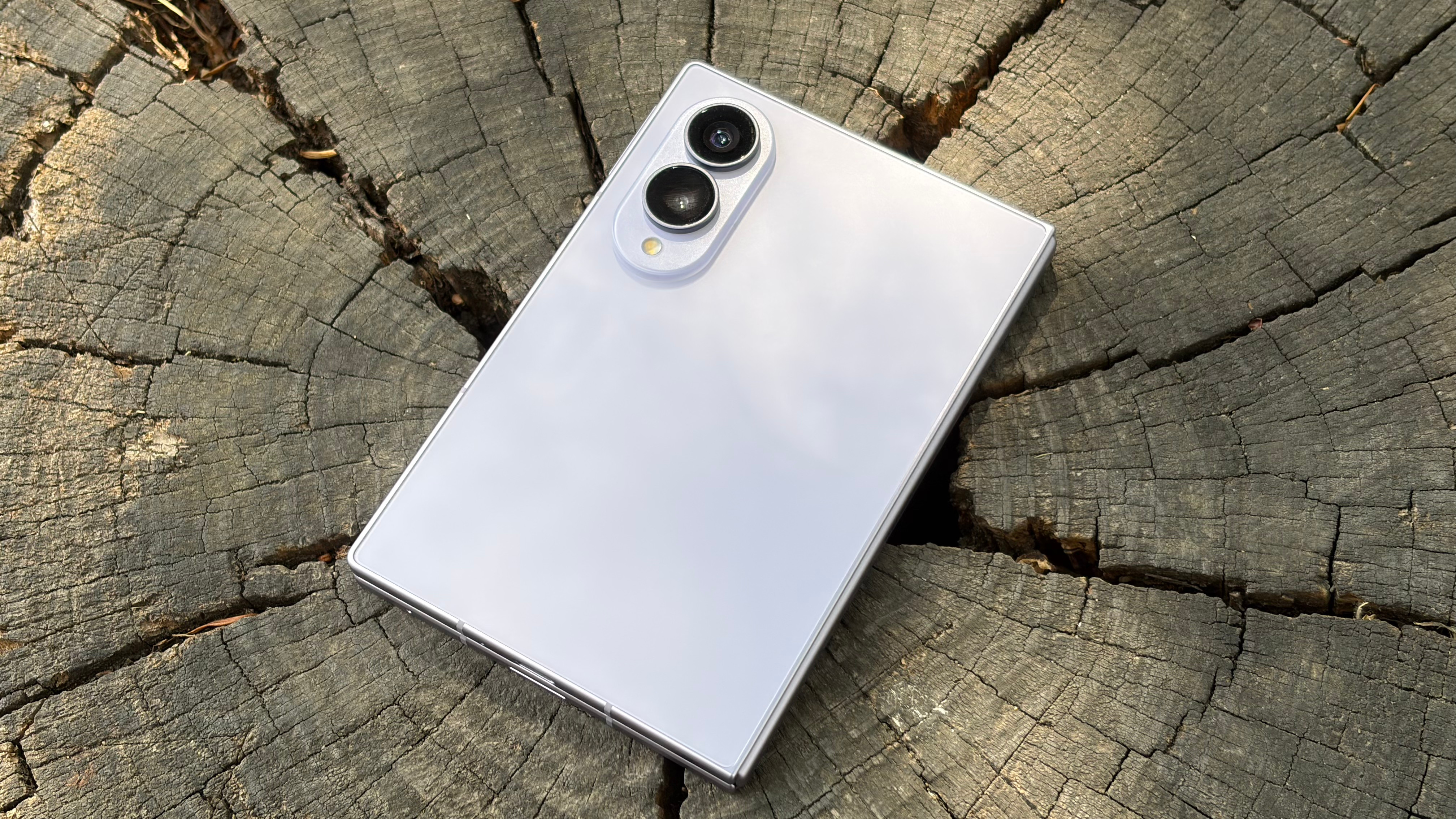
To alleviate any (understandable) durability concerns about folding phones, Samsung has rated the Galaxy Z Fold 8 as IP48 for dust and water resistance, which means it’s as well-protected against water as any other flagship phone.
The ‘4’ in that designation means no foreign objects above 1mm in size will worm their way into the Galaxy Z Fold 8’s inner components, though other foldables — namely the Google Pixel 10 Pro Fold and the Honor Magic V6 — offer superior IP68 dust protection.
There’s also Gorilla Glass Ceramic 3 on the display and Victus 2 on the back to avoid scratches or serious cracks, plus a Flex Titanium layer under the main display, which makes the most vulnerable part of the Z Fold 8 tougher.
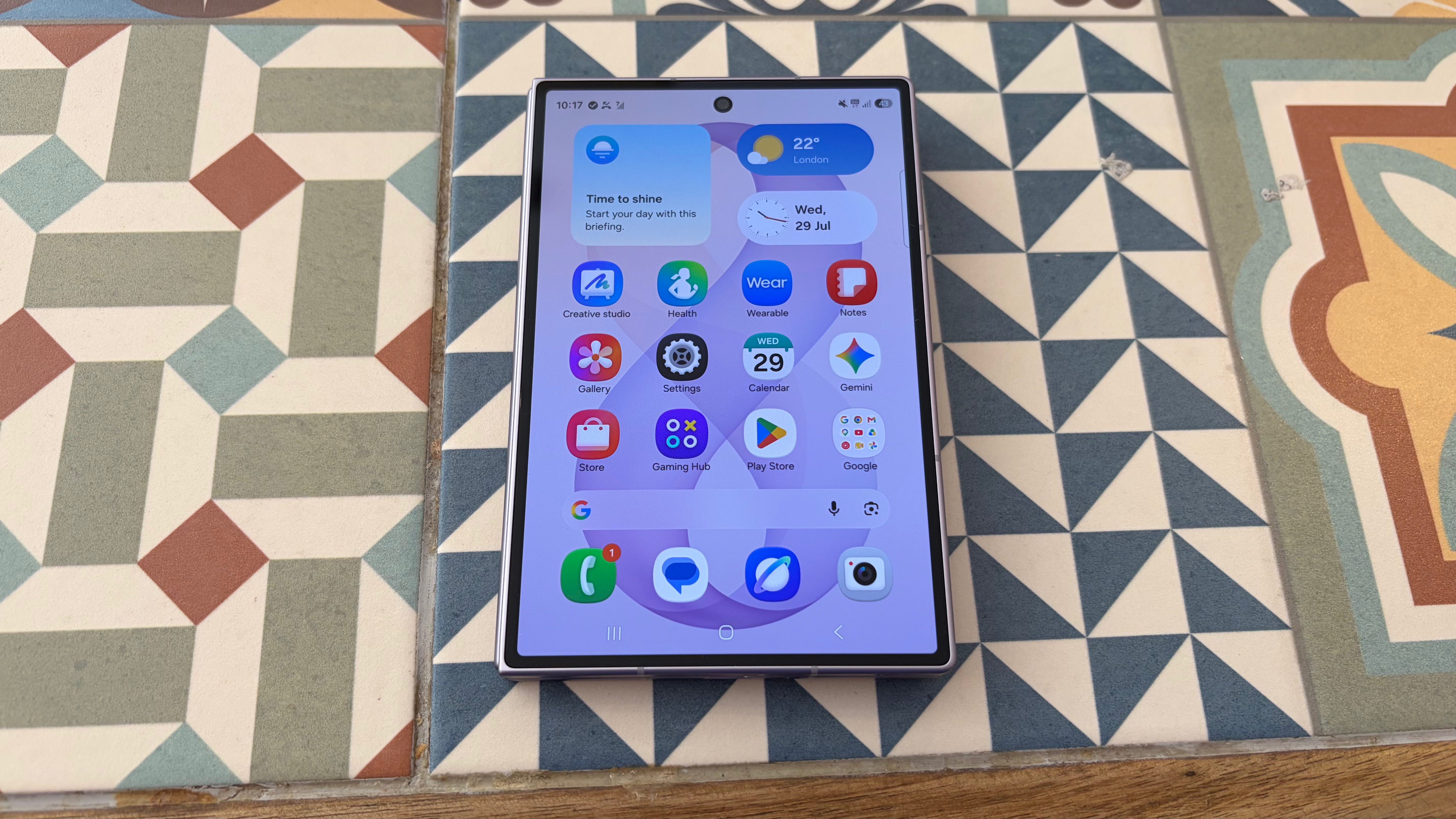
Rounding off these impressive design credentials is a quartet of appealing color options: the Galaxy Z Fold 8 is available in Lavender (pictured in this review), Graphite, Cream, and the Samsung Store-exclusive Pistachio.
- Design score: 4 / 5
Samsung Galaxy Fold 8 review: Displays
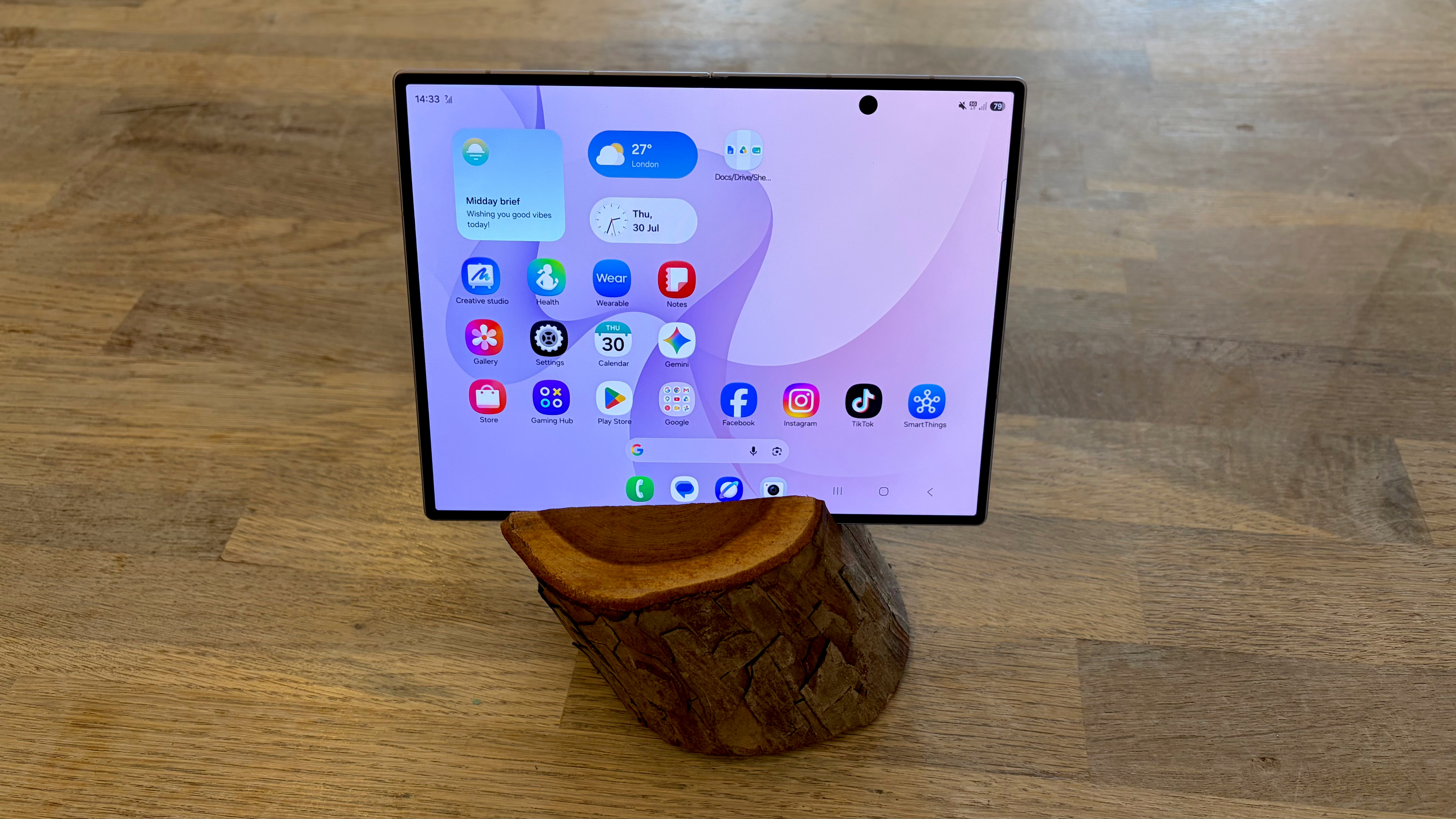
- High-quality screens inside and out
- Display brightness could still be higher
The Galaxy Z Fold 8’s 7.6-inch main display and 5.5-inch cover display have been crafted by Samsung to help you enjoy whatever kind of content you’re into.
The phone’s outer screen has a video-friendly 16:10 aspect ratio, while its inner panel uses a more spacious, practical 4:3 ratio that’s best suited to reading (though this inner panel is also better suited to widescreen video than the Galaxy Z Fold 8 Ultra’s square-shaped equivalent). We’ve compared the Galaxy Z Fold 8 and Galaxy Z Fold 8 Ultra’s screen sizes elsewhere on TechRadar so you can visualize the difference between the two.
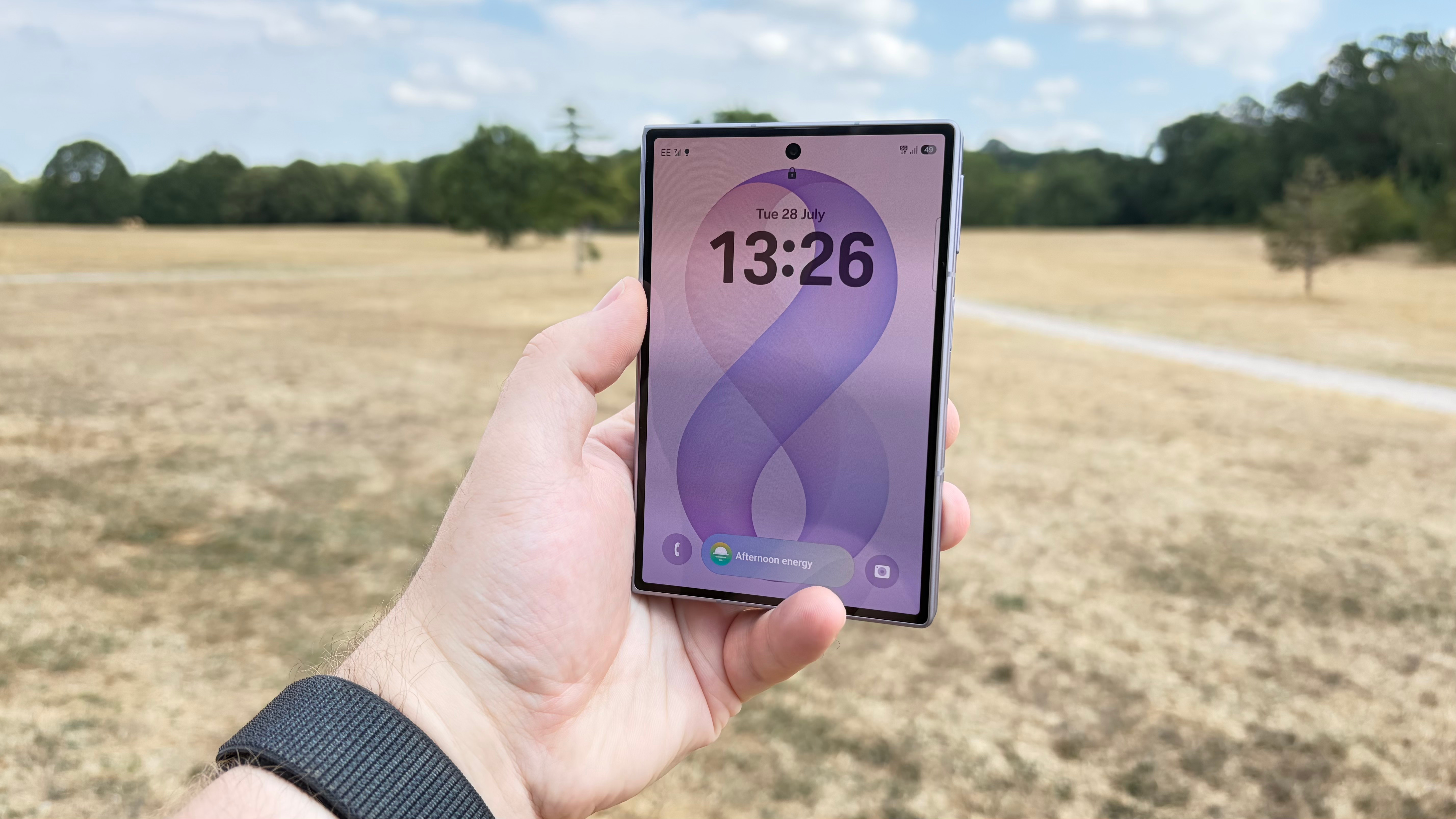
Both screens are detailed and colorful, which is no great surprise — Samsung is one of the best, if not the best, mobile display manufacturers in the world.
That said, despite a high brightness rating of 3,000 nits, the Galaxy Z Fold 8’s screen readability can be a problem when using the phone in direct sunlight, even with the Extra brightness setting enabled.
Still, the low-reflection coating on the phone’s inside screen makes some difference. It’s not as effective as the one you get on the Galaxy S26 Ultra or Galaxy Tab S11 Ultra, but the Galaxy Z Fold 8 definitely softens reflections better than most standard phones, making it easier to see what’s on screen.
- Display score: 4 / 5
Samsung Galaxy Fold 8 review: Software
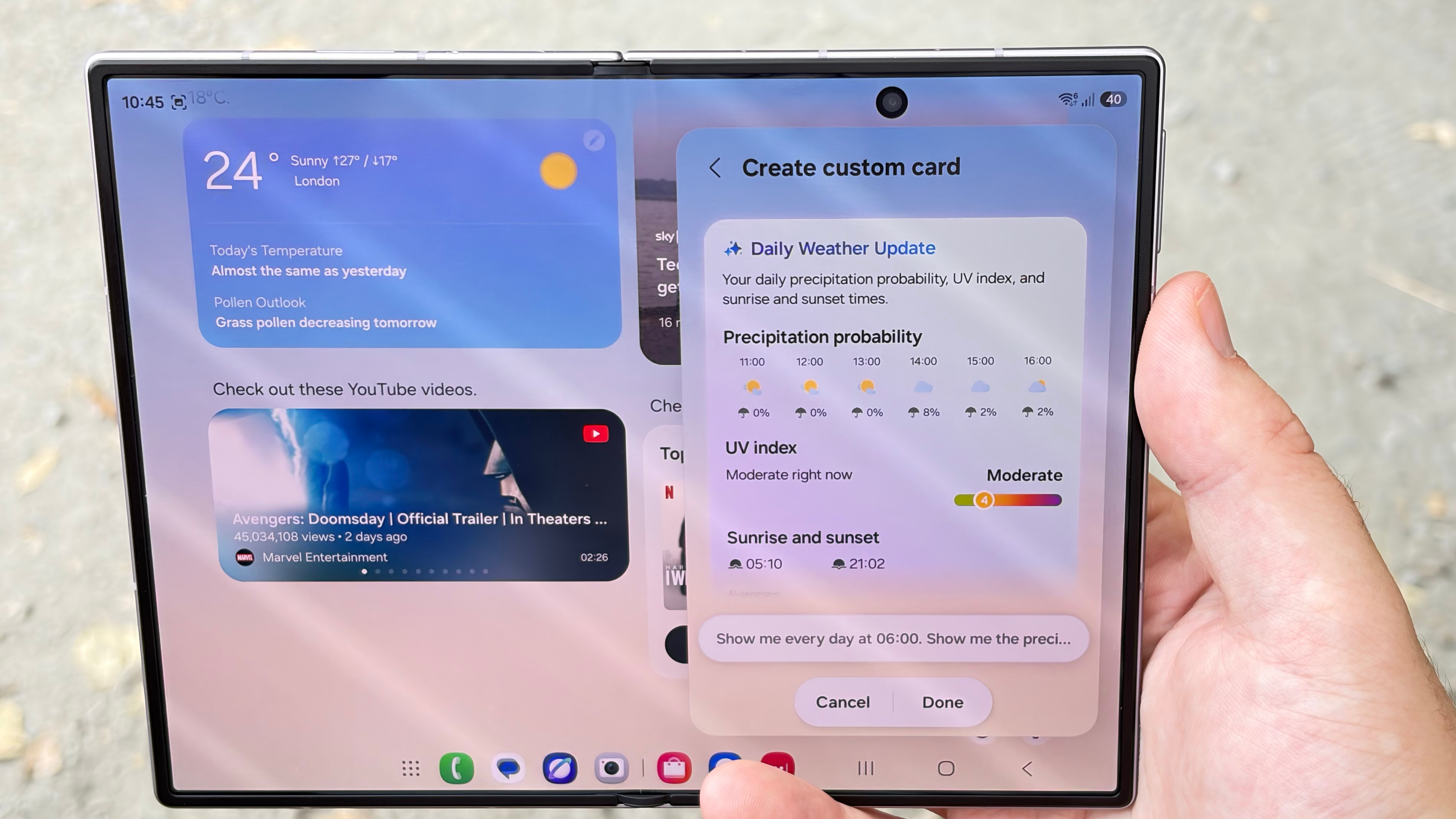
- The latest Galaxy AI features with foldable-specific upgrades
- A mix of fun features, like My FanCam, and practical ones, like Multi-Window
The Galaxy Z Fold 8 runs on One UI 9, which is based on Android 17. It’s quite different from other Android skins, which hew closer to Google’s original design, but it’s still one of the best options around in terms of adaptation to foldable phones.
Several of Samsung’s software features have been adapted for the Z Fold 8 series, specifically, including Now Nudge. These small, discreet but helpful prompts suggest what app or action you might want to use next depending on what’s on screen, and offer to open a split-screen view on your behalf.
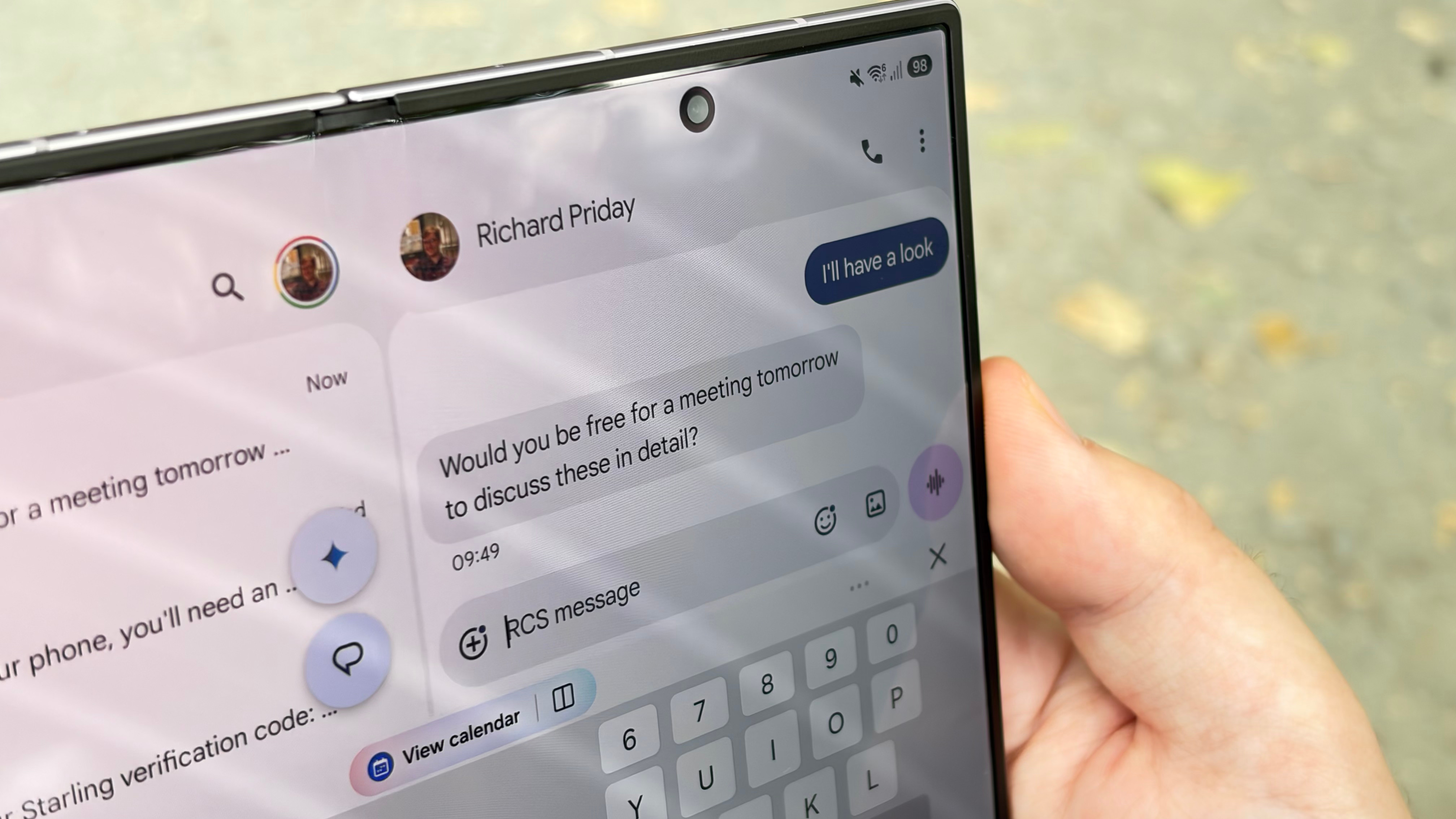
For AI fans, Samsung has expanded task automation for select apps, assuming you’re in the US, UK, or South Korea, where this feature is currently enabled. These automations don’t work all that fast, but assuming your prompt is understood correctly, the Z Fold 8’s AI will work through your request until you decide to take back control, or when it alerts you when it’s time to intervene to finalize a booking or order.
My FanCam, meanwhile, lets you create a motion-tracked video of a particular subject from any video (from your photo gallery, YouTube, or anywhere else). I have not made a fancam before, so I don’t know how well this sort of software — which is popular among K-pop fans — works elsewhere, but Samsung’s version is relatively effective, albeit with some major limitations.
Making a My FanCam clip is easy: just open the AI tools menu with the video you want to use in the Gallery app, tap the relevant icon, then tap your subject. After some processing time, depending on the size of the original clip, you have your tracked footage. But after trying the feature with a number of videos, two problems appeared.
First, the subject needs to be large enough in the frame. Even if you have high-resolution 4K footage, you need to crop in before My FanCam will detect them. Similarly, they need to be well-lit — I tried to use a clip of a dance troupe moving around in dramatic stage lighting, and My FanCam simply would not work.
Since there is no manual tracking option you can use, you are at the mercy of Samsung’s algorithms as to whether your footage is compatible.
As for multitasking, although it’s not as much of a focus on the Galaxy Z Fold 8 as it is on the Z Fold 8 Ultra, I still appreciate Samsung’s updates to its Multi-Window system, which lets you use two or more apps at once. The Z Fold 8 and its sibling now let you use three apps side-by-side vertically or horizontally, as well as via the older splitting method, which sees one app taking up half the screen and the other two taking a quarter each.
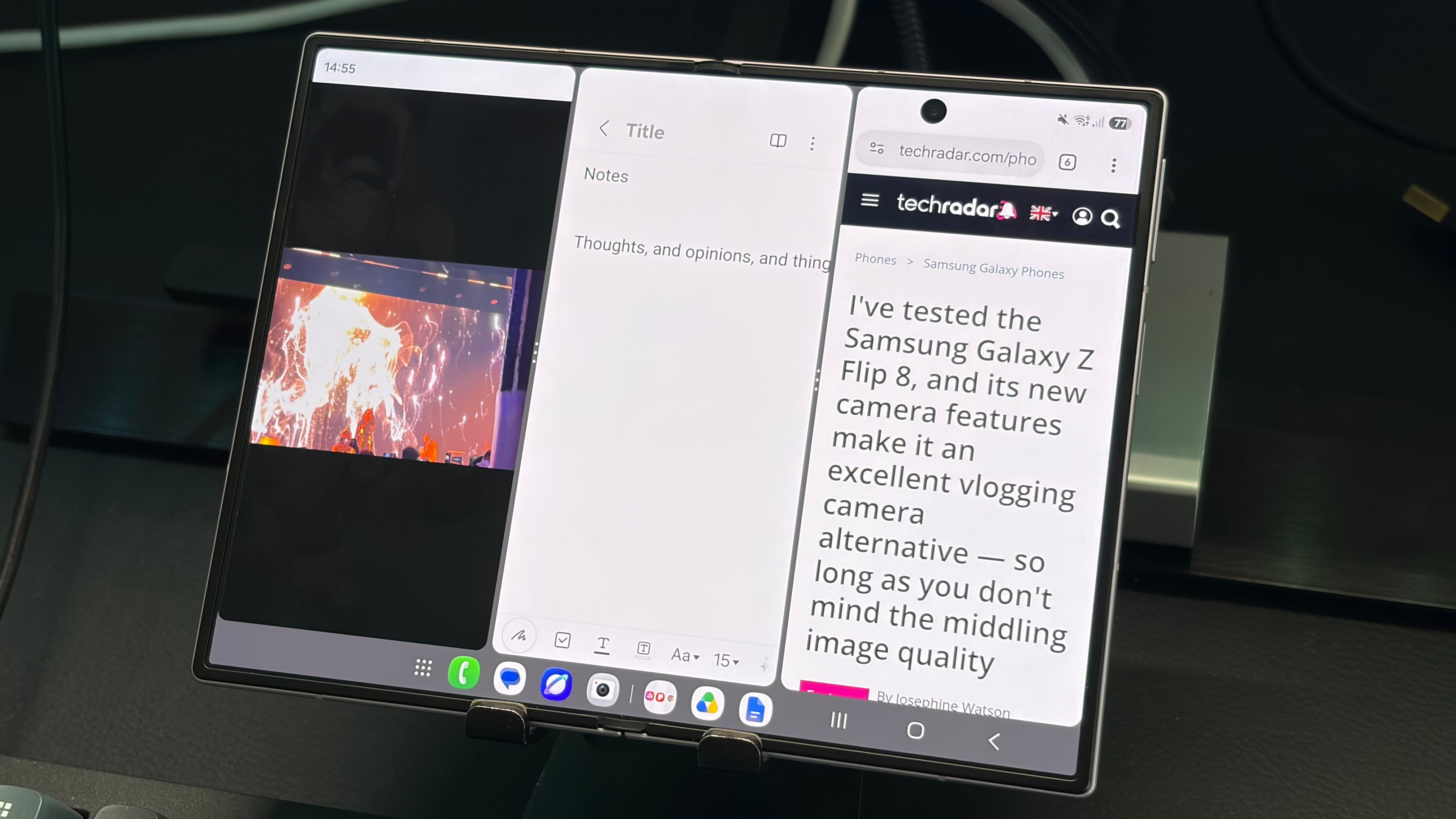
Multi-Window is still not as versatile as the windowed system you now find on many tablets and rival foldables, but if you’re cross-referencing without wanting to make too many edits to what you’re looking at, it certainly avoids the need to open your laptop from time to time, which makes the Galaxy Z Fold 8 a valuable productivity companion.
- Software score: 4 / 5
Samsung Galaxy Fold 8 review: Cameras
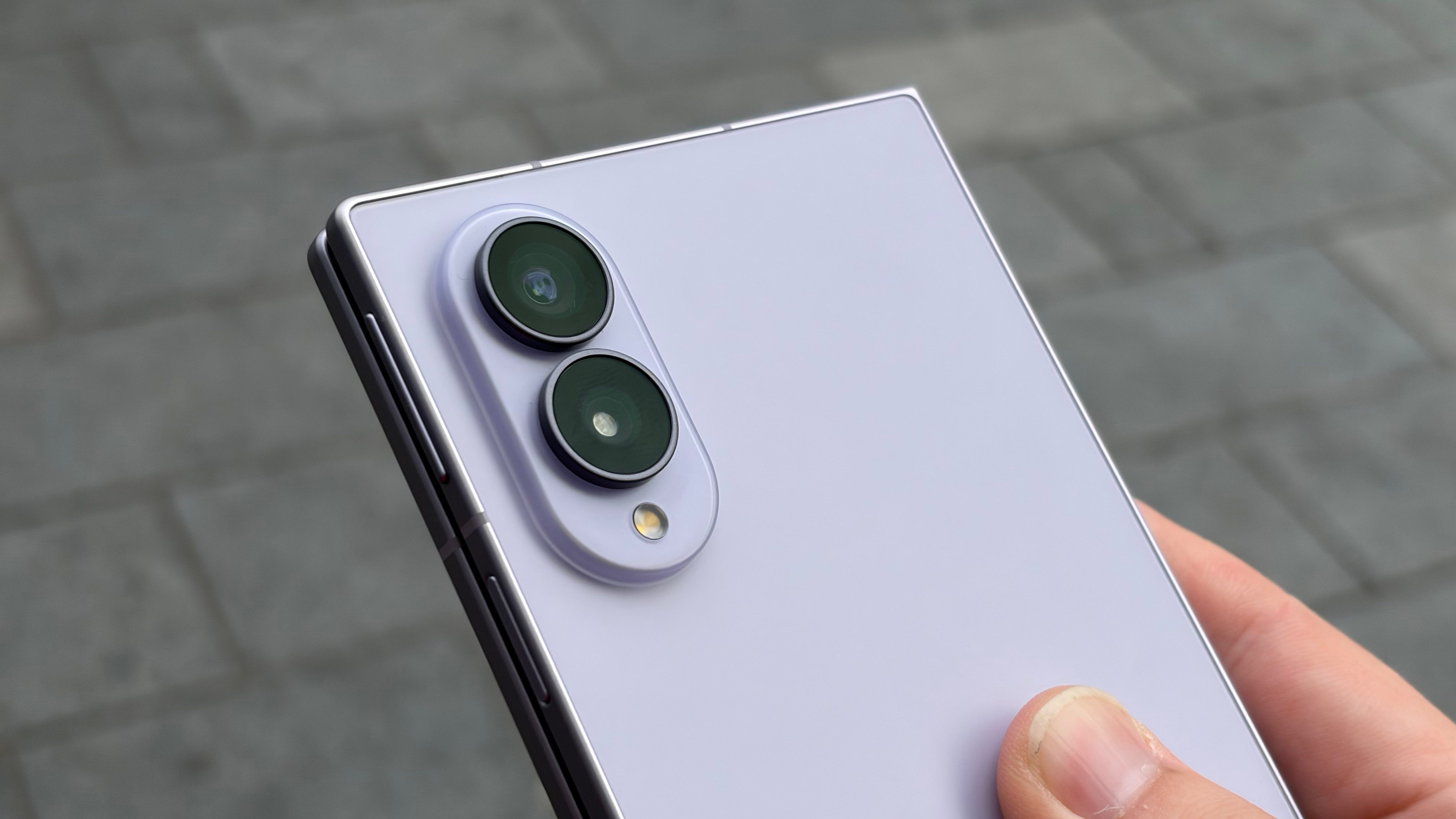
- No telephoto camera at this price feels unfair
- But cameras that *are* present perform well
The Galaxy Z Fold 8 has the undistinguished position of having the highest relative price per camera of any Samsung phone. Unlike the Z Fold 8 Ultra, there’s no telephoto camera to speak of here, although at least the cameras you do get are of good quality. Specifically, there are 50MP main and ultra-wide lenses on the back, plus 10MP selfie cameras embedded in the phone’s cover and inner displays.
Samsung’s camera processing has made an important step forward in recent years, going from exaggerated colors to more natural ones, matching the vibe of other flagship smartphone cameras. That’s why, even in the intense sunlight that was slowly melting me during my photo trip to Beckenham Place Park, we still get attractive-looking trees, grass, sky and brickwork.
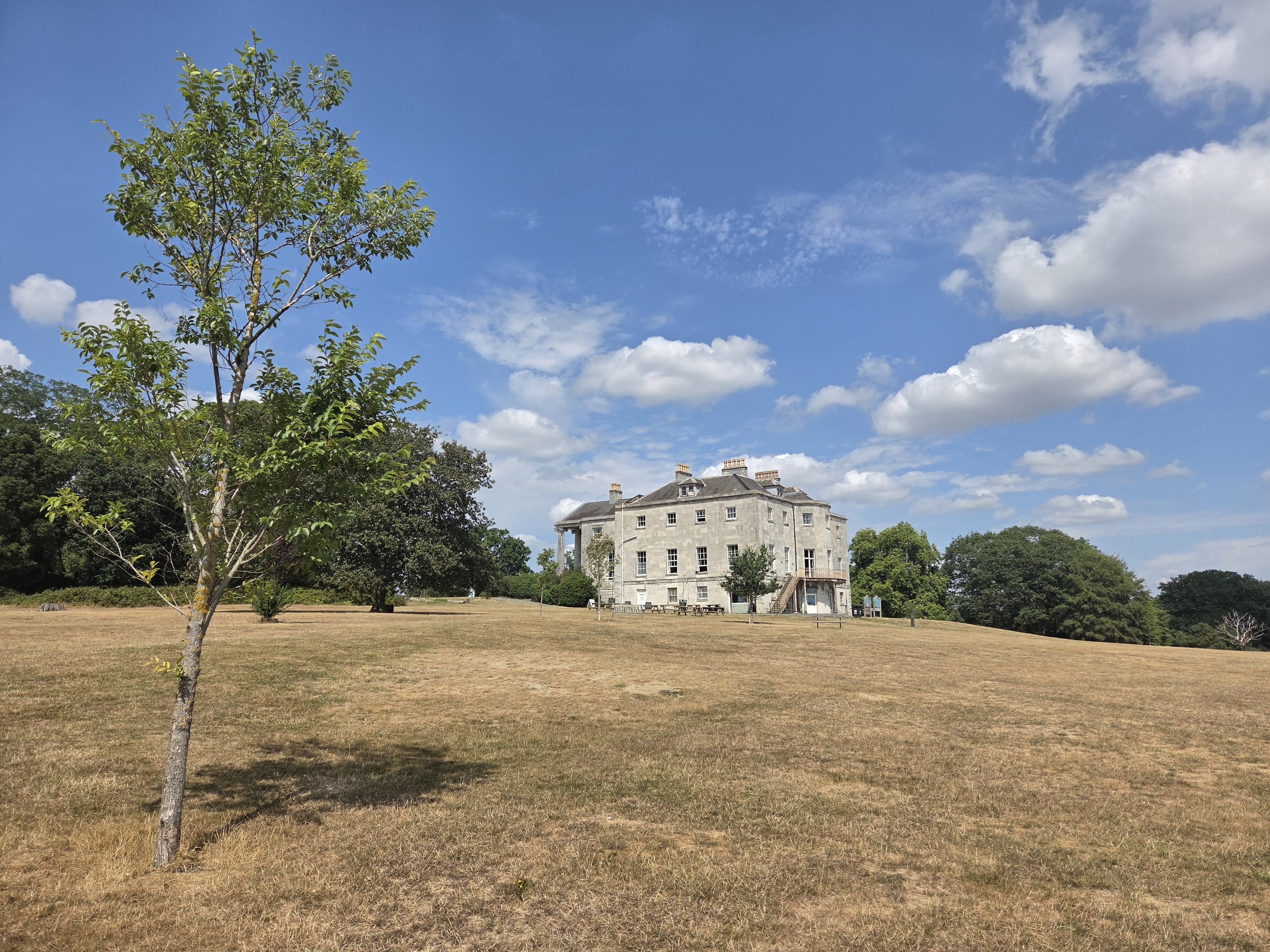


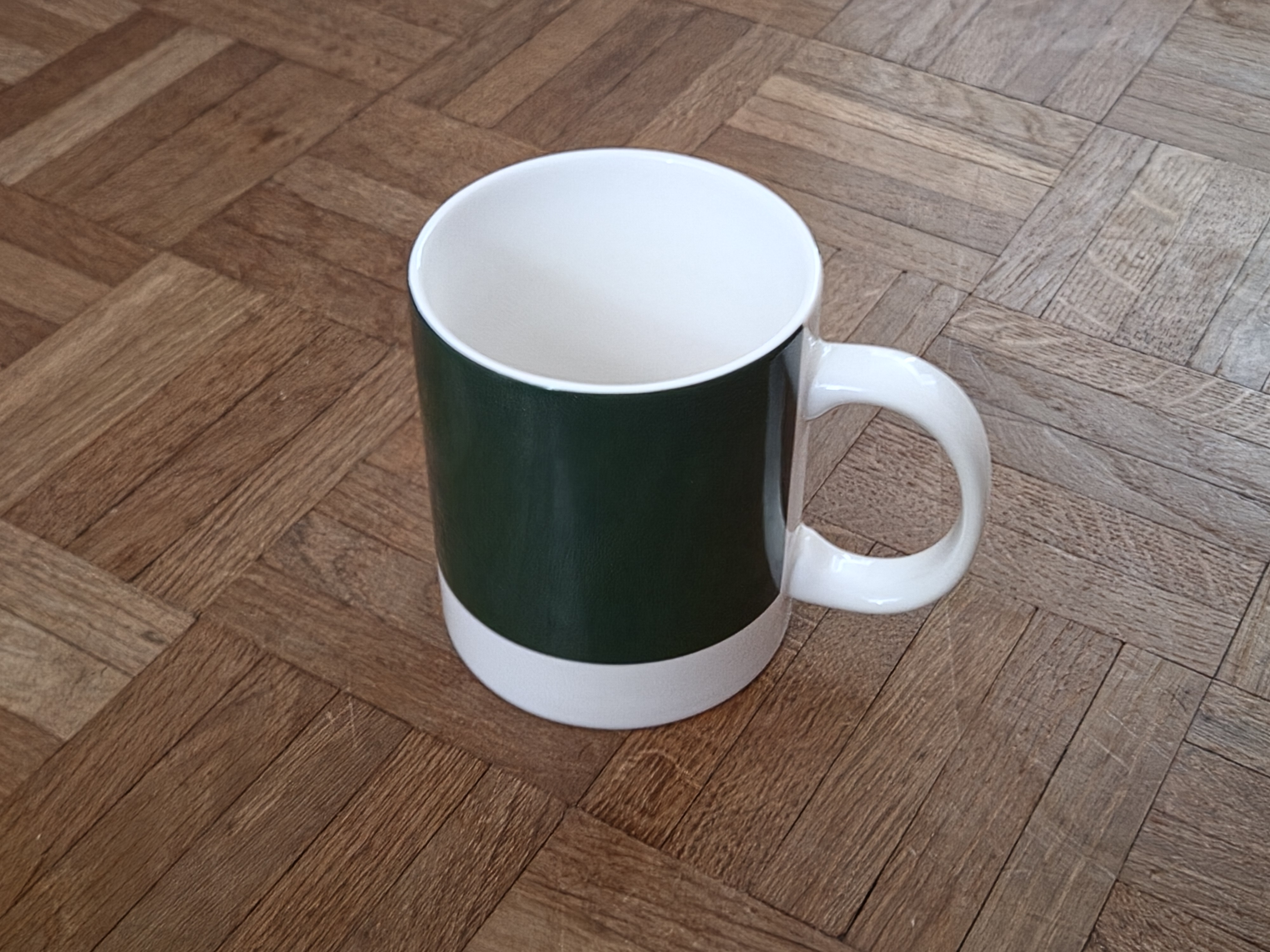
Samsung’s 50MP main camera offers 2x in-sensor zoom for a little extra reach when you need it without compromising on image quality. The Camera app also offers presets for 4x and 10x (the latter is the maximum available digital zoom), although the image quality deteriorates, as you’d expect.
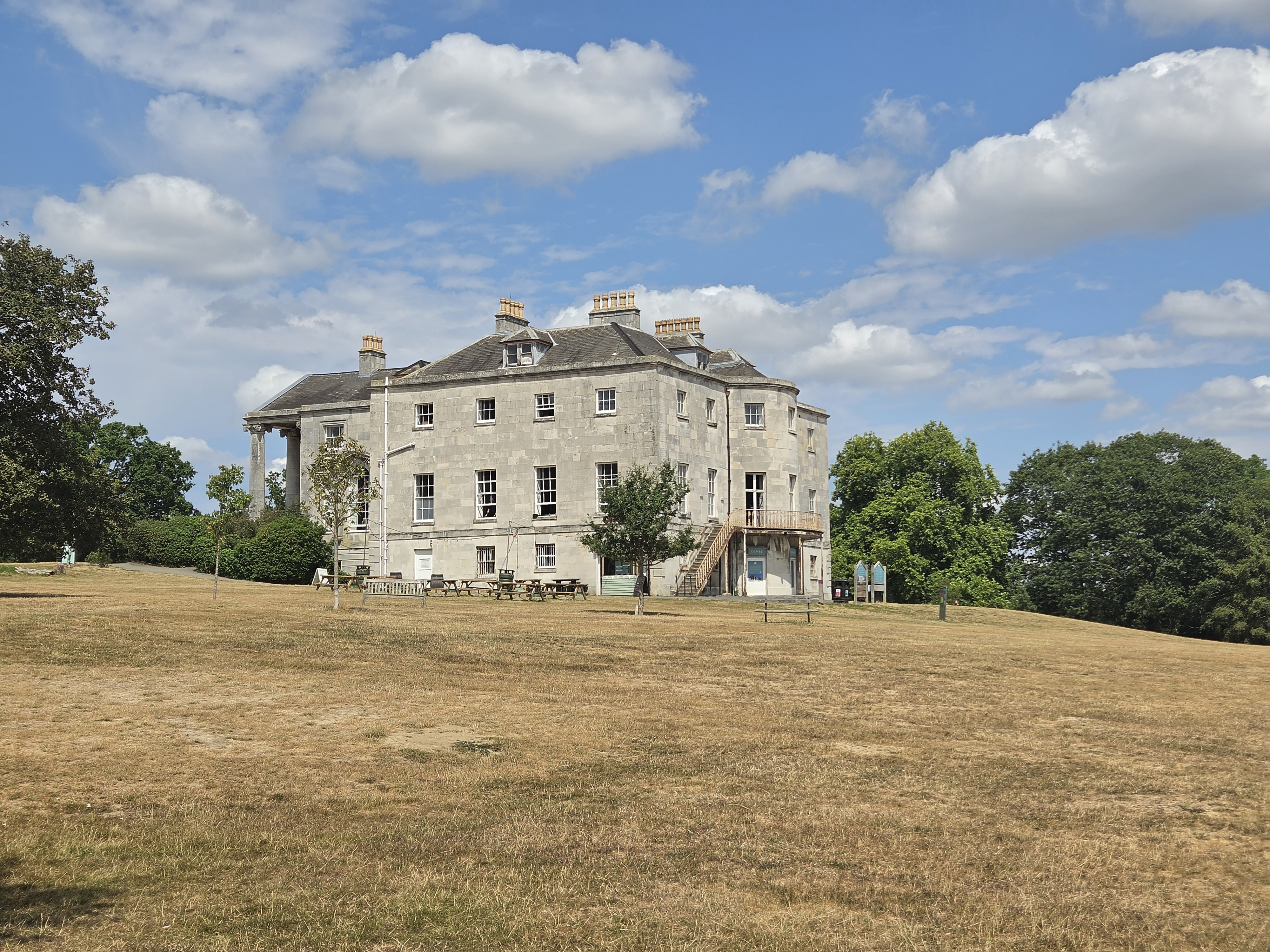

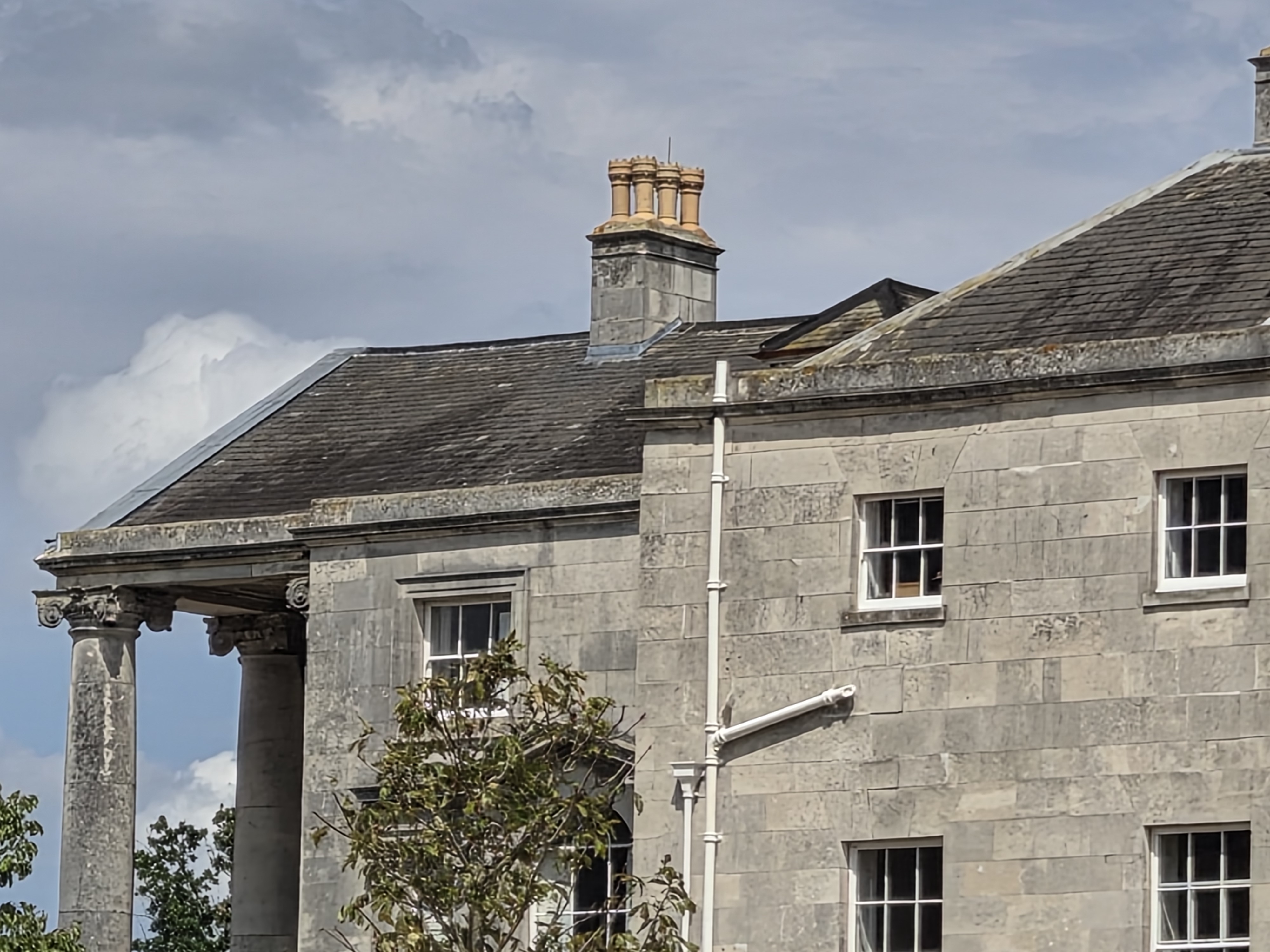
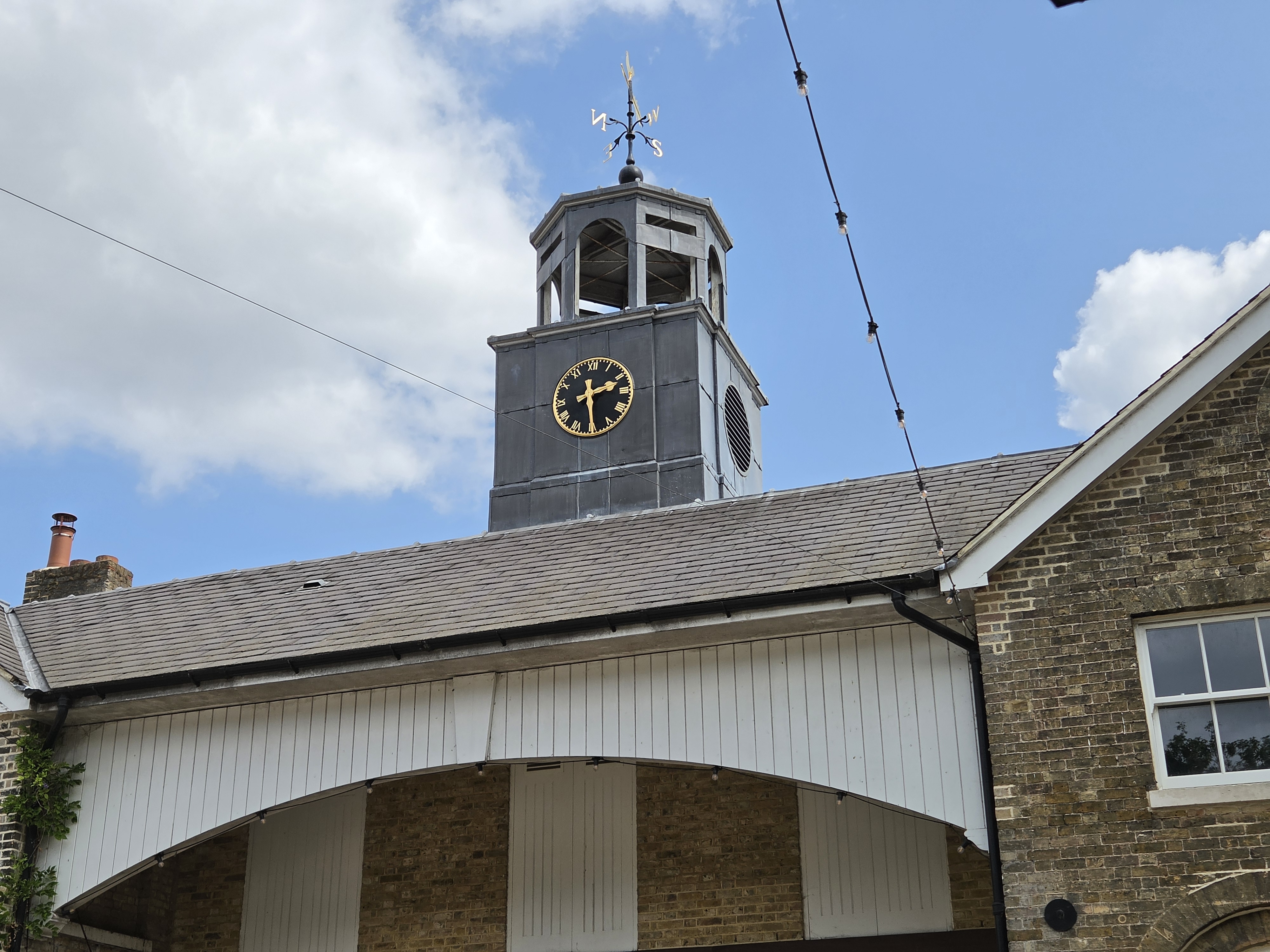
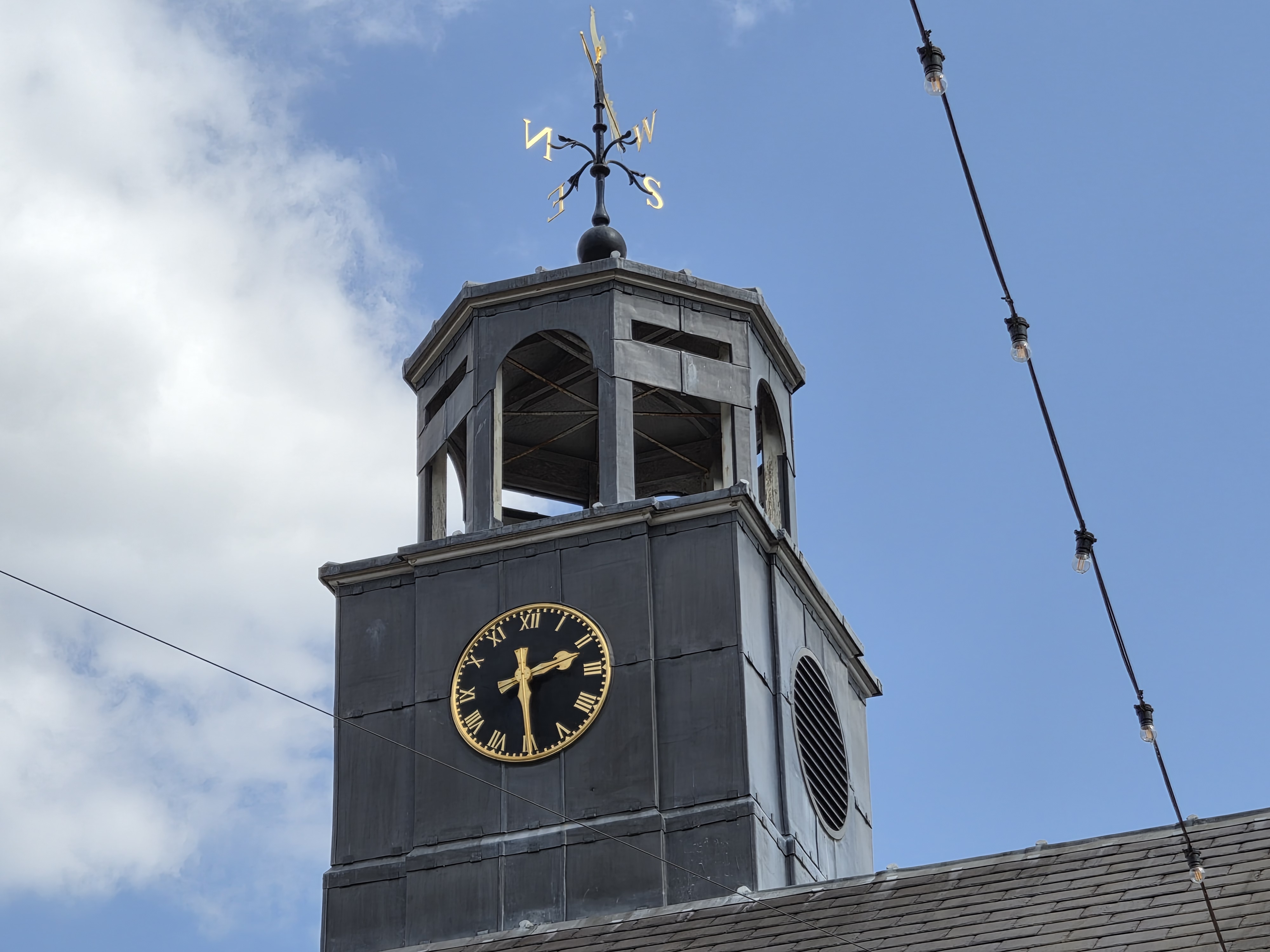
For selfies, the 10MP cameras on the inside and outside of the phone are identical, and therefore equally competent. You’re also free to open the Galaxy Z Fold 8 and switch the preview to the outer screen for hi-res or ultra-wide selfies — perhaps one of the most underrated abilities of foldable phones.


Portrait mode on Samsung phones is a particular strength, as it can cut accurately around glasses where other phones struggle. These examples show that the Z Fold 8 hasn’t missed out on this ability.


Video maxes out at 8K/30fps, or 4K/60fps if you need your extra frames. Samsung’s videography party trick from the Galaxy S26 series — Super Steady video with Horizontal Lock — has also made it to the Z Fold 8 series.
This feature levels out shaky footage at the expense of some resolution. It does a fantastic job, though, as you can see in these samples of me running along a path (the first is the original footage, the second is the edited footage).
Overall, while it would be nice if Samsung had given the Z Fold 8 a telephoto camera, what’s here works well. And since this phone is designed to appeal to a more casual user, there’s a reasonable chance that anyone interested in the Z Fold 8 won’t mind the compromise.
- Camera score: 3 / 5
Samsung Galaxy Fold 8 review: Performance
- Top-performing chipset with plenty of memory, even by default
- Great for games, even with below-par benchmark scores
The Z Fold 8 contains the Qualcomm Snapdragon 8 Gen 5 for Galaxy chipset, which is the best version of the best silicon currently available in an Android phone. The scores I got in my own benchmarking tests are a little lower than I would have anticipated, but they’re impressive nonetheless, and prove that the Z Fold 8 is absolutely a performance powerhouse.
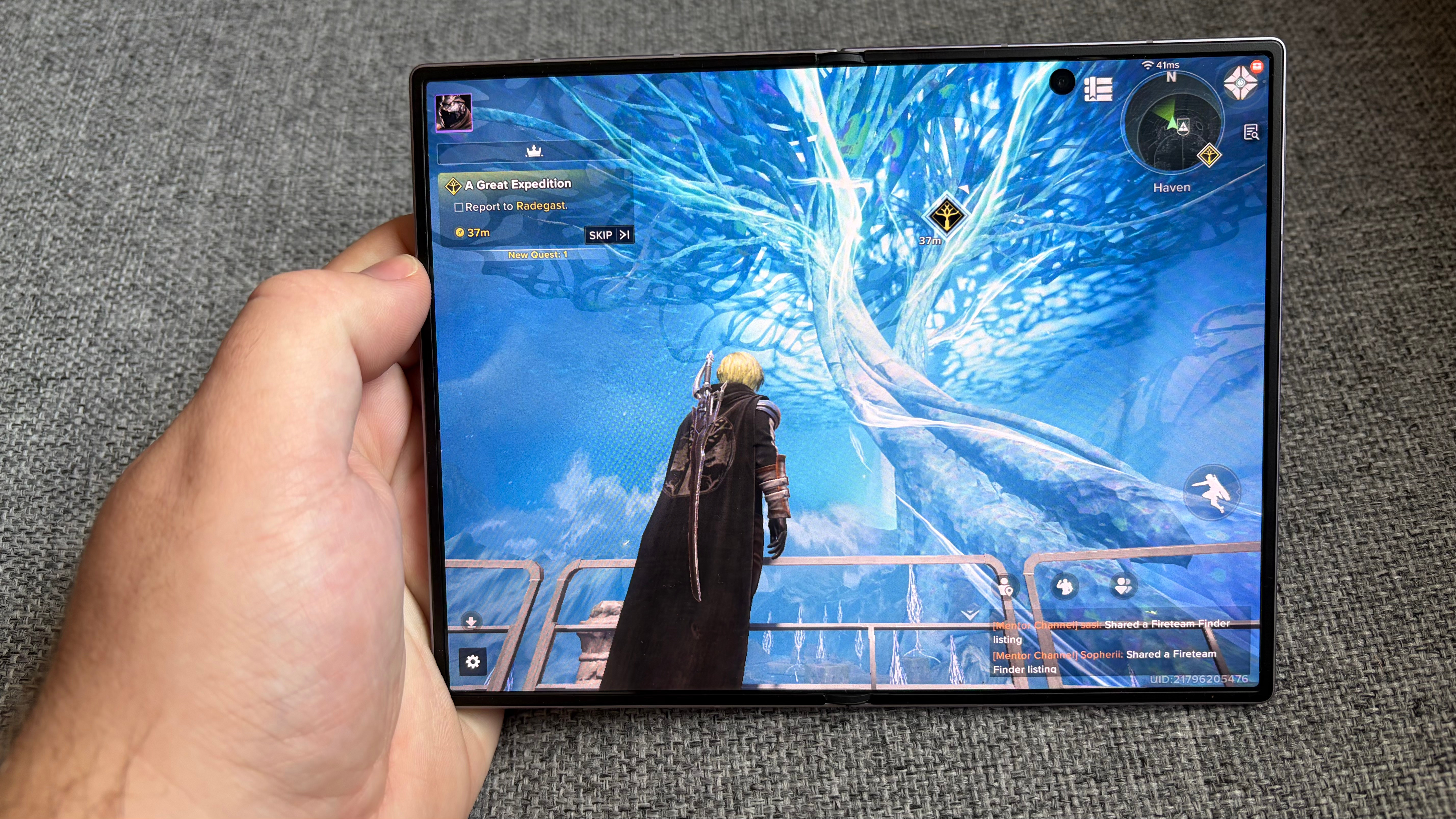
Indeed, this top-end chipset proved its worth while I tested several games on the Galaxy Z Fold 8. Destiny Rising, set to its highest graphical setting and 60fps, ran perfectly smoothly. Similarly, Asphalt Legends at its full high quality/120fps settings proved no challenge for the Z Fold 8.
Under the hood, the Galaxy Z Fold 8 features 12GB of RAM and 256GB of storage by default, but you can spec the device up to 512GB if you wish. There’s also a 1TB model, which gets a RAM bump to 16GB, though whether this upgrade is worth the money will depend entirely on how intensively you use your phone.
Samsung Galaxy Z Fold 8 benchmark scores
|
Samsung Galaxy Z Fold 8 |
|
|
Geekbench 6 single-core |
3,253 |
|
Geekbench 6 multi-core |
7975 |
|
3DMark Wild Life Extreme Stress Test best |
5087 |
|
3DMark Wild Life Extreme Stress Test low |
2083 |
|
3DMark Solar Bay |
8856 |
- Performance score: 4 / 5
Samsung Galaxy Fold 8 review: Battery
- The phone can last a surprisingly long time if you use the inner screen sparingly
- Charging isn’t the fastest, but it’s definitely quick enough when you need it
Despite being smaller than last year’s Galaxy Z Fold 7, the Galaxy Z Fold 8 packs a larger-capacity battery — specifically 4,800mAh versus 4,400mAh. That’s thanks to Samsung finally adopting industry-leading silicon-carbon battery technology, which boasts higher energy density than the lithium-ion technology used by Samsung (and indeed most other Western phone manufacturers) in its previous batteries.
Samsung’s battery estimate claims you can get 26 hours of video playback from a single charge of the Galaxy Z Fold 8 — and I’m inclined to believe that, if you stick to the cover screen. In my light to moderate mixed usage of the phone during testing, switching between screens, enabling the always-on display and leaving the phone off charge overnight, I would get between a day and a day and a half between plug-ins.
Samsung is using its best 45W wired and 20W wireless charging options on the Z Fold 8 series, which, while slower than some rival devices, is still an upgrade on previous Z Folds. Using a compatible third-party charger, I was able to fill the Z Fold 8 to 43% in 15 minutes, and to 100% in 1 hour and 5 minutes.
In other words, you wouldn’t want to forget to charge this phone overnight, given the below-average battery life, but if you do, it won’t take long to get a usable amount of charge in an emergency.
- Battery score: 3 / 5
Should you buy the Samsung Galaxy Fold 8?
Samsung Galaxy Fold 8 scorecard
|
Attributes |
Notes |
Rating |
|
Value |
Not as costly as some foldables, but still expensive. |
3 / 5 |
|
Design |
Perfectly sized whether open or closed, plus strong protection against common sources of damage. |
4.5 / 5 |
|
Displays |
All your content looks great inside and out, with low-reflection tech to help in bright light. |
4.5 / 5 |
|
Software |
Whether you’re focused on productivity or entertainment, the Z Fold 8 has features to help. |
4.5 / 5 |
|
Camera |
No telephoto is a major absence, but the cameras you do get take great shots. |
3 / 5 |
|
Performance |
The flagship performance you’d expect, with the screen space to enjoy it fully in games. |
4 / 5 |
|
Battery |
A notable capacity upgrade has reduced the typical foldable battery life anxiety, although it’s still on the weak side. The speedier charging is quite welcome though. |
3.5 / 5 |
Buy it if…
Traditional folding phones or flip phones haven’t appealed to you yet
Sitting between the two sizes of foldable phones we’ve become familiar with, the Z Fold 8 is fully functional whether you’ve got it open or closed.
You like the idea of a small phone combined with a mini tablet
When closed, no phone on the market is as small and as usable as the Galaxy Z Fold 8. And when it’s open, it’s like you’ve pulled an iPad mini or a Kindle out of nowhere.
You want the best software available on a foldable
Samsung has been making folding phones the longest out of any brand, and that shows in how well its software adapts and works with the Z Fold 8’s hardware. And that’s not even mentioning the Galaxy AI tools that few other phones can match up to.
Don’t buy it if…
You want a complete, well-priced phone experience
For the price of the Z Fold 8, you could instead buy a fully-specced Galaxy S26 Ultra or similar flagship phone, which will more than make up for its lack of hinge with other features.
Battery life is a deal-breaker
Battery life isn’t too bad on the Z Fold 8, but only in terms of other foldable phones. Stick to a regular-shaped phone if you want the best possible endurance.
The camera limitations will bother you
Spending well over 1,500 of your local currency on a phone that lacks a telephoto camera is a big ask, even if such a compromise becomes the standard for this size of foldable phone.
Samsung Galaxy Z Fold 8 review: Also consider
Motorola Razr Plus 2026
This is currently our best flip-style foldable pick, and it might be the better device for you if you’re looking for a foldable that can go the distance with its battery, and don’t mind only having a standard-sized phone screen when you open it up.
Read our full Motorola Razr Plus 2026 review
Samsung Galaxy Z Fold 8 Ultra
Considering the minimal price difference, you might be better off saving a little extra money and getting the full-fat fold experience with more screen space, a telephoto camera, and a longer-lasting battery. The Z Fold 8 Ultra isn’t as well-suited to video, though.
Read our full Samsung Galaxy Z Fold 8 Ultra hands-on
|
Samsung Galaxy Z Fold 8 |
Motorola Razr Plus 2026 |
Samsung Galaxy Z Fold 8 Ultra |
|
|---|---|---|---|
|
Price (at launch): |
From $1899, £1699, AU$2699 |
$1,099, £1,000 |
From $2,099 £1,899. AU$2,999 |
|
Dimensions: |
Unfolded: 161.4 x 123.9 x 4.5mm, Folded: 81.9 x 123.9 x 9.7mm |
Unfolded: 2.9 x 6.7 x 0.3 in Folded: 3.5 x 2.9 x 0.6 in |
Unfolded: 158.4 x 143.2 x 4.1mm, Folded: 158.4 x 72.8 x 8.9mm |
|
Weight: |
201g |
189g |
215g |
|
Displays: |
Main: 7.6-inch Dynamic AMOLED 2X, Cover: 5.5-inch Dynamic AMOLED 2X |
Main: 6.9-inch AMOLED, Cover: 4-inch AMOLED |
Main: 8-inch Dynamic AMOLED 2x, Cover: 6.5-inch Dynamic AMOLED 2X |
|
Resolution: |
Main: 2448 x 1848, Cover: 1972 x 1248 |
Main: 1084 x 2640, Cover: 1272 x 1080 |
Main: 2256 x 2504, Cover: 1080 x 2520 |
|
Refresh rate: |
1 – 120Hz (main and cover) |
1 – 165 Hz (main and cover) |
1 – 120Hz (main and cover) |
|
Peak brightness: |
3,000 nits (main and cover) |
Main: 3,000 nits, Cover: 2,400 nits |
3,000 nits (main and cover) |
|
Processor: |
Snapdragon 8 Elite Gen 5 for Galaxy |
Qualcomm Snapdragon 8s Gen 3 |
Snapdragon 8 Elite Gen 5 for Galaxy |
|
RAM: |
12GB, 16GB (1TB model only) |
12GB |
12GB, 16GB (1TB model only) |
|
Storage: |
256GB, 512GB, 1TB |
256GB |
256GB, 512GB, 1TB |
|
OS: |
Android 17 with One UI 9 |
Android 16 |
Android 17 with One UI 9 |
|
Cameras: |
50MP wide, 50MP ultra-wide |
50MP main, 50MP ultra-wide |
200MP wide, 50MP ultra-wide, 10MP telephoto |
|
Selfie cameras: |
10MP inner, 10MP outer |
32MP |
10MP inner, 10MP outer |
|
Battery: |
4,800mAh |
4,500mAh |
5,000mAh |
|
Charging: |
45W wired, 20W wireless |
45W wired, 15W wireless |
45W wired, 20W wireless |
|
Colors: |
Lavender, Graphite, Cream, Mint (Samsung Store exclusive) |
Pantone Mountain View |
Violet Shadow, Graphite, Cream, Green Shadow (Samsung Store exclusive) |
How I tested the Samsung Galaxy Z Fold 8
I used the Samsung Galaxy Z Fold 8 for approximately a week and a half as my work phone, transferring my apps, messages, and SIM card from the Oppo Find N6 I was using beforehand.
As my work device, I used the Z Fold 8 for writing stories, answering emails, scrolling social media and watching tech YouTube videos.
☑️ 100s of smartphones reviewed
☑️ 15 years of product testing
☑️ Over 16,000 products reviewed in total
☑️ Nearly 200,000 hours testing tech
First reviewed July/August 2026
“}]]
 The Samsung Galaxy Z Fold 8 is the foldable for people who never thought they’d want one. Read More Latest from TechRadar US in Reviews