
[[{“value”:”
I reviewed Nioh 3 back in January of this year, and it quickly cemented itself as one of the best soulslike games in my eyes.
Changes it made to the series’ formula, including a clear distinction between Samurai and Ninja styles, as well as a shift to vast explorable open maps, really helped it to stand out from the pack.
Platform reviewed: PC
Available on: PS5, Xbox Series X|S, PC
Release date: August 19, 2026
Now the game’s first of two major expansions, Hell Rising, has arrived. It’s not as expansive as Elden Ring: Shadow of the Erdtree or Lies of P: Overture (it took me around 8-10 hours to complete all main missions and a handful of side quests), but it is more Nioh 3 in the best way possible.
Long story short, if you enjoyed Nioh 3 and played it all the way to completion, you’ll find a lot more to love about Hell Rising. You can expect all-new enemy types, challenging boss encounters, a new weapon archetype, as well as a sprinkling of added skills, ninjutsu, and onmyo magic.
You will need to be caught up in order to properly access the DLC, though. Hell Rising requires you to have beaten the base game, and you’ll want to be rocking a competent endgame build to face its higher difficulty and level recommendations. Enemies hit harder than ever, and bosses are among the toughest in Nioh 3 as a whole. So be sure to kit yourself in Divine tier gear (ideally with your preferred set bonuses) before jumping in.
Beyond the grave

Nioh 3: Hell Rising takes place in 1651 during Japan’s short-lived Keian era.
After being appointed Shogun at the end of the base game, protagonist Takechiyo learns of a resurgence of the Crucible and the demonic forces brought on by it. So, they travel to the Keian era with their spirit allies in order to quell the threat for good.
It’s a simple setup, but I enjoyed Hell Rising’s narrative. New allies join the fight alongside Takechiyo, including Yagyu Jubei and Rodrigo—a swordsman and politician hailing from Spain. New cutscenes typically bookend major boss fights, and I must say a late-game twist has beautifully set up the upcoming second expansion (a release date for which has yet to be revealed).
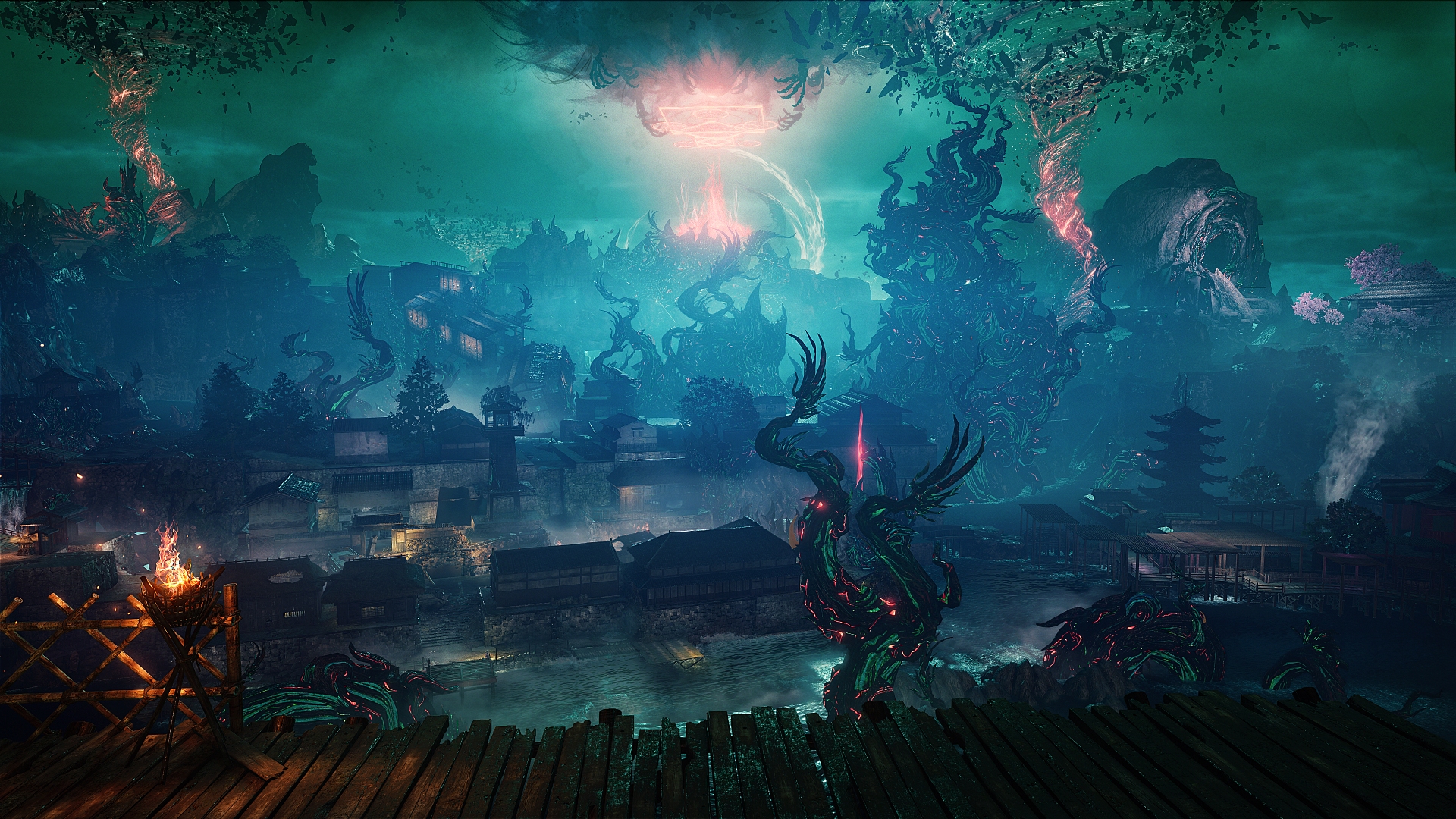
Area variety is really impressive in Nioh 3: Hell Rising. You’ll traverse water-logged villages, skirt around an active volcano, as well as invade a laboratory staffed by foreign alchemists looking to harness yokai power for themselves. Levels have a surprising amount of verticality, too, helping the new map to feel suitably dense.
You do have kind of a test to pass in order to access the DLC proper, and that comes in the form of Yagyu Jubei.
He’s essentially the gatekeeper boss for Hell Rising; the game’s way of checking if you’re truly ready for the challenges ahead. I actually found him to be among the hardest of the new bosses. He’s fast, and commands wind and water elemental attacks. Oh, he’s also really good at dodging through your ninjutsu techniques, so building up status effects on him is a challenge in and of itself.
Before the fight, though, the DLC almost immediately introduces you to the new Hoko and Shield weapon archetype. I think they’re a fantastic addition to Nioh 3’s roster of armaments, and there are versions for both Samurai and Ninja styles.
Your gameplan with the Hoko and Shield is to time your strong attacks (and certain Martial Art skills) to negate incoming enemy attacks. They’re a more defensive weapon by nature, and its skill tree includes abilities to both engage and disengage enemies at a distance, as well as ranged attacks such as tossing the shield in various ways. It’s a high-risk, high-reward weapon type that I ended up using for a decent chunk of the DLC’s runtime.
I loved my time with Nioh 3: Hell Rising, and I’m now eagerly anticipating the second expansion and all the additions and new bosses that brings. I do have a couple of issues with Hell Rising, though, that I hope get addressed in future content.
For one, bosses from the base game get reused quite frequently. You’ll see many of the base game’s yokai bosses at least once in Hell Rising (one particularly annoying one actually appeared twice).
I found it a shame because the DLC’s new bosses are all wonderful, engaging challenges. Recycling these older bosses with no noticeable changes felt like padding, and weren’t much of a challenge beyond their larger health pools and higher attack power.
There were also some particularly mean enemy ambushes late on in the DLC, particularly in the Crucible zone that acts as its capstone. You’ll be shoved into tight corridors and tiny rooms fairly frequently here, as mobs of yokai swarm in. It was the only time during the DLC that I felt the game was being just a touch unfair.
Should I play Nioh 3: Hell Rising?
Play it if…
You loved Nioh 3
Yes, this one’s fairly obvious, but I think Hell Rising is currently the pinnacle of what Nioh 3 has to offer. If you loved the base game and you’re simply wanting more, you’ll get a lot out of this first expansion.
You’re excited for more build variety options
The Hoko and Shield weapon, along with all-new ninjutsu, onmyo magic, and yokai Soul Cores, all expand your options when it comes to building a Samurai or Ninja (or both!) kit that best suits your playstyle. Better yet, you can take it all back into the base game if you’re keen to replay it on the higher Shogun’s Journey difficulty.
Don’t play it if…
You were hoping for a meatier package
At 8-10 hours, Hell Rising is a relatively bite-sized expansion. It’s still excellent at this length, but if you’re wanting something more sizable, I’d recommend waiting until the second expansion comes out so you can play both back to back.
Accessibility features
Nioh 3: Hell Rising’s accessibility features remain the same as they were in the base game. For more information, check out our full Nioh 3 review in order to get a brief overview of what’s on offer.
How I reviewed Nioh 3: Hell Rising
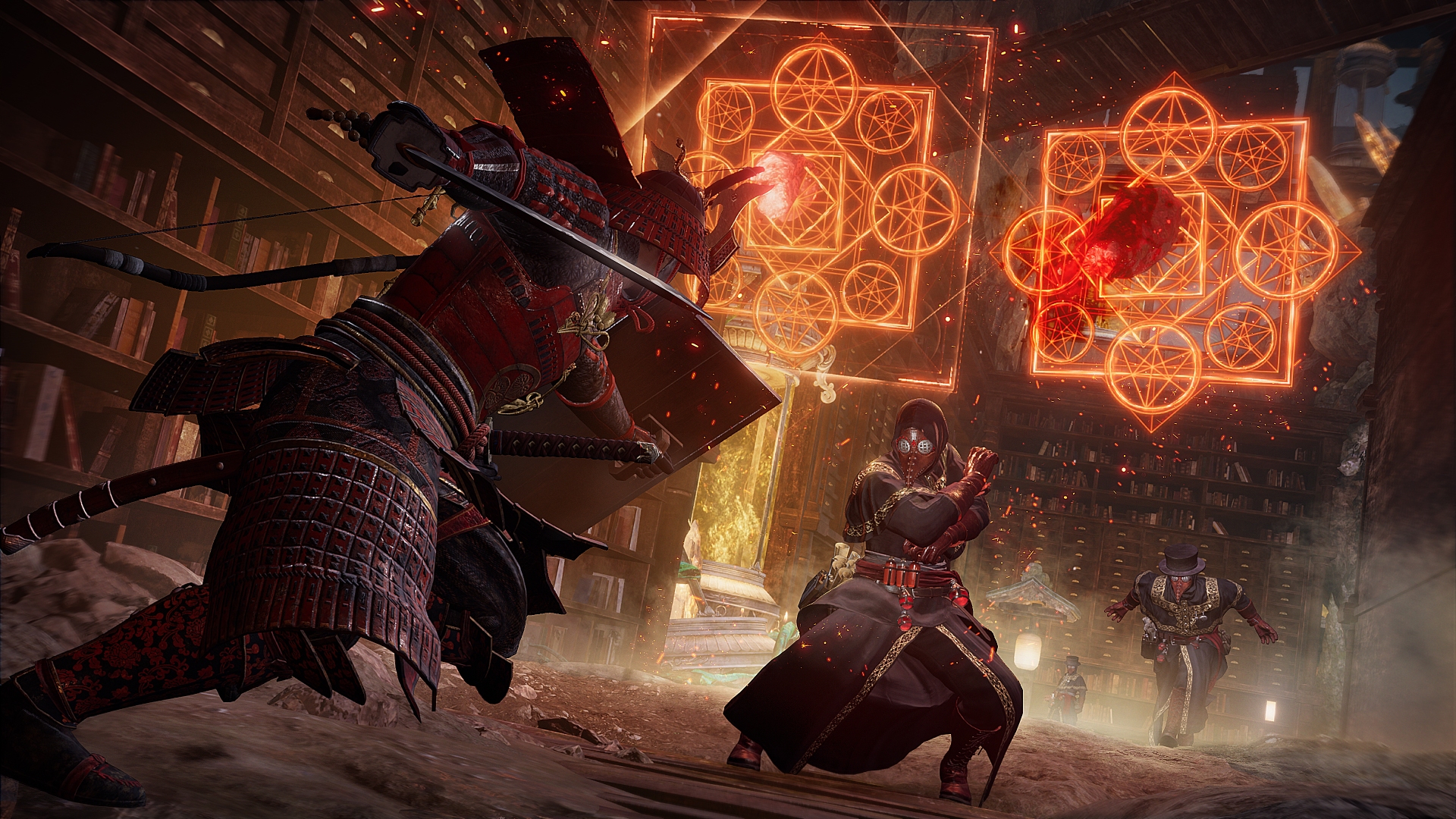
Nioh 3: Hell Rising took me approximately 8-10 hours to finish on my first playthrough of it. That included all main missions and bosses, exploring most of the new map, and completing a handful of side quests.
I played the expansion on PC, carrying my base game character from my original Nioh 3 review into the DLC. I played through Hell Rising with the Valve Steam Controller (2026), and used my RIG 900 Max HS gaming headset for more immersive audio.
First reviewed August 2026
“}]]
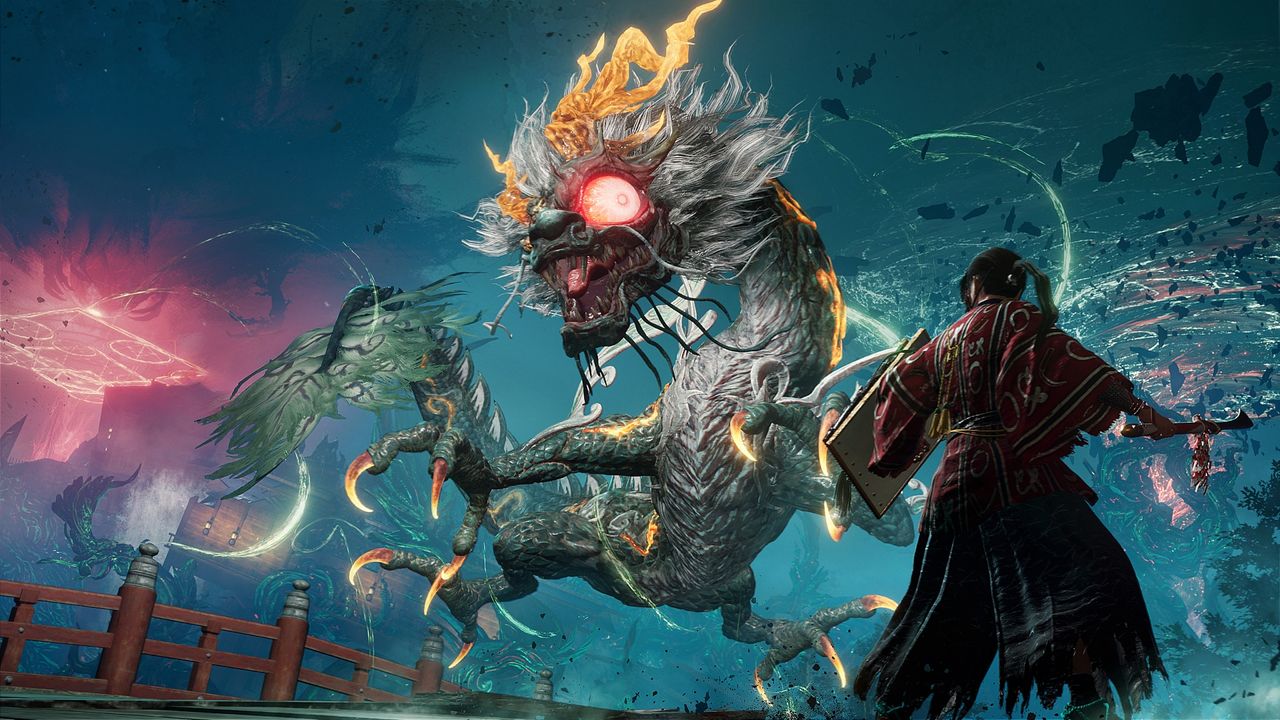 Nioh 3: Hell Rising kicks off the game’s post-launch content with a bang. New weapons, enemies, and bosses all make it a must-play. Read More Latest from TechRadar US in Reviews