
[[{“value”:”
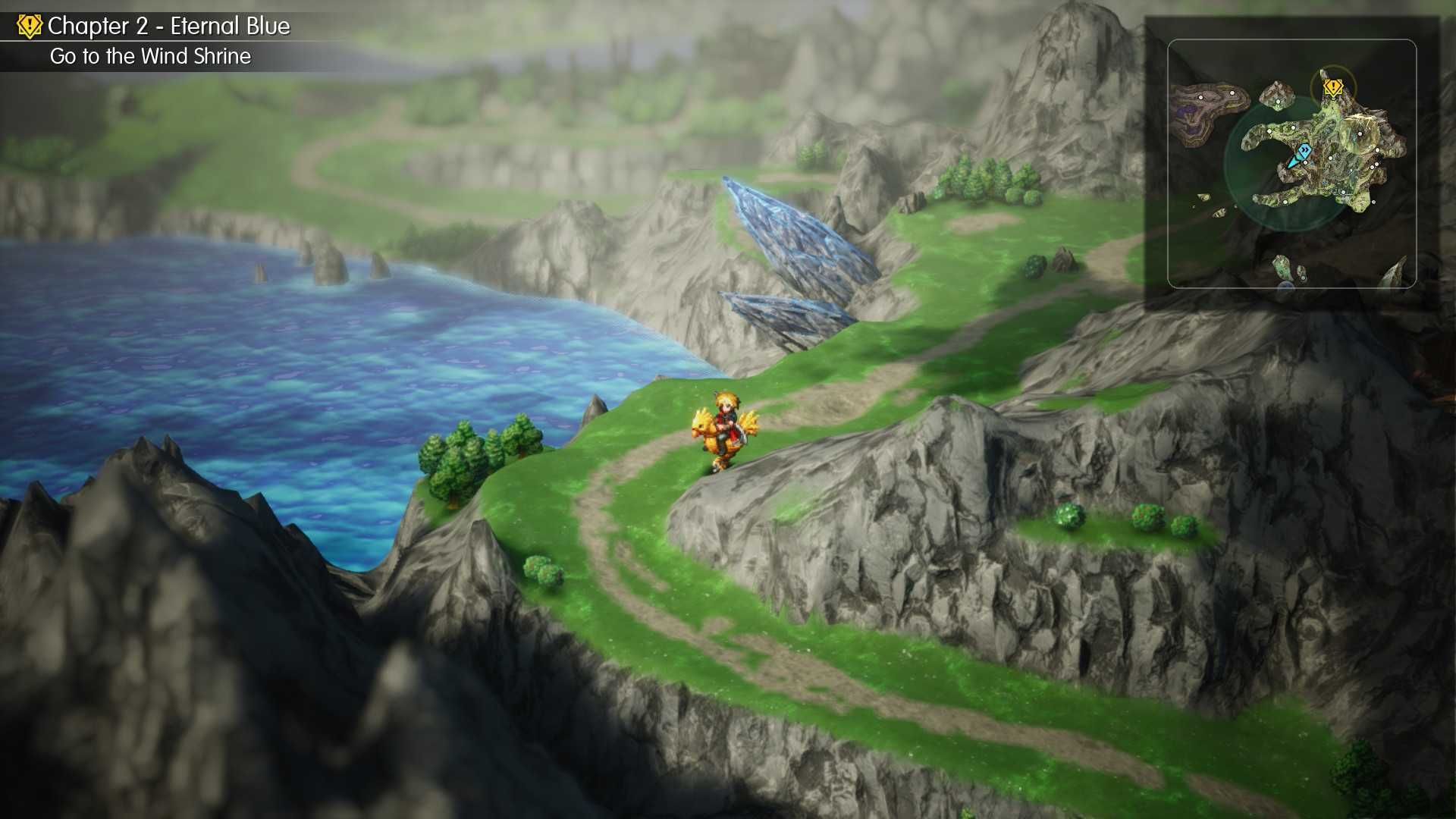
I’ve been playing Final Fantasy Resonance for the past few weeks, and it is a delightful love letter to the Final Fantasy series — a beautiful turn-based role-playing game (RPG) that blends new and old across its gameplay and aesthetics to create an adventure I have adored every second of.
While it might have its roots in a now defunct mobile gacha game — Brave Exvius — don’t hold that against it. The only holdover is the core story. Everything else, from the gameplay to the wide world map to explore to the visual style, has been overhauled — the pay-to-play elements are gone too; all unlocks are completely free
Platform reviewed: Nintendo Switch 2
Available on: PS5, Xbox Series X|S, Nintendo Switch 2, PC
Release date: October 26, 2026
The end result of this total rebuild is a classic-feeling RPG that is somehow just as at home among 2026’s gaming lineup as it would have been among one from decades ago.
There are some tweaks I’d make here and there: mostly to Visions, and to the story that’s a little predictable, but neither of these issues has sapped the joy from what is easily among the best Nintendo Switch 2 games I’ve played this year (it’s also releasing on Xbox Series X, Xbox Series S, PS5 and PC).
Back to basics
After spending decades finding ways to mix up the turn-based action it popularized, Final Fantasy Resonance returns the series to a much more classic interpretation of it. When it’s their turn to act your party and enemies get to make a basic Attack, spend MP to perform some kind of special Skill action like casting a spell, Summon a powerful esper to fight by their side, or use an item from the party’s bag — with the order characters go determined by their speed.
It facilitates a slower and more tactical approach to engaging enemies than the action-focused gameplay of more modern Final Fantasy entries, which pairs nicely with Resonance’s less traditional combat mechanic: Stagger.
Dealing enough damage to your foes that’s a flavour they’re weak to will fill their meter and Stagger them — they’ll lose their go that turn if they haven’t acted yet, will take more damage until the next round, and whoever staggered them will get a second action.
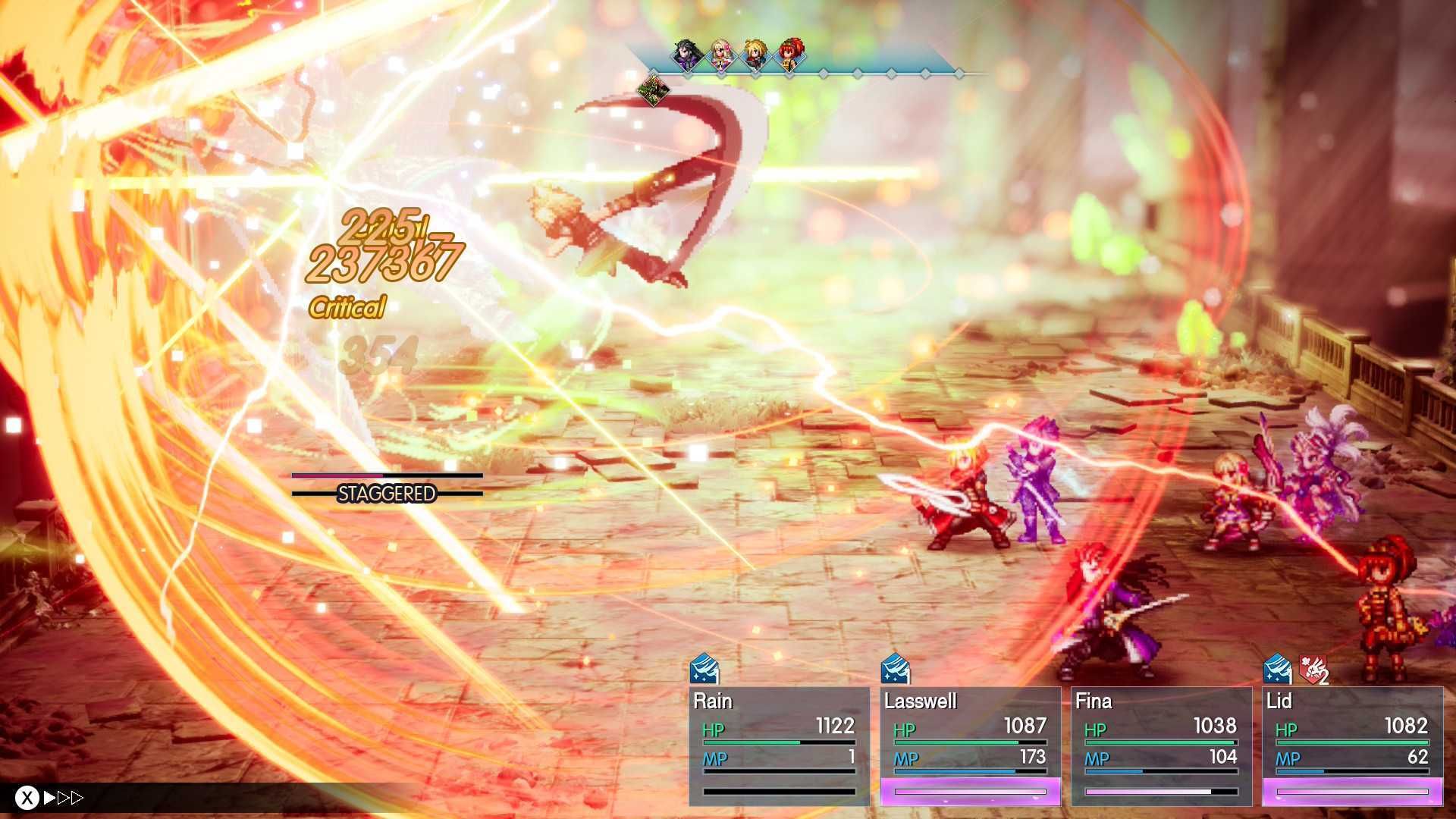
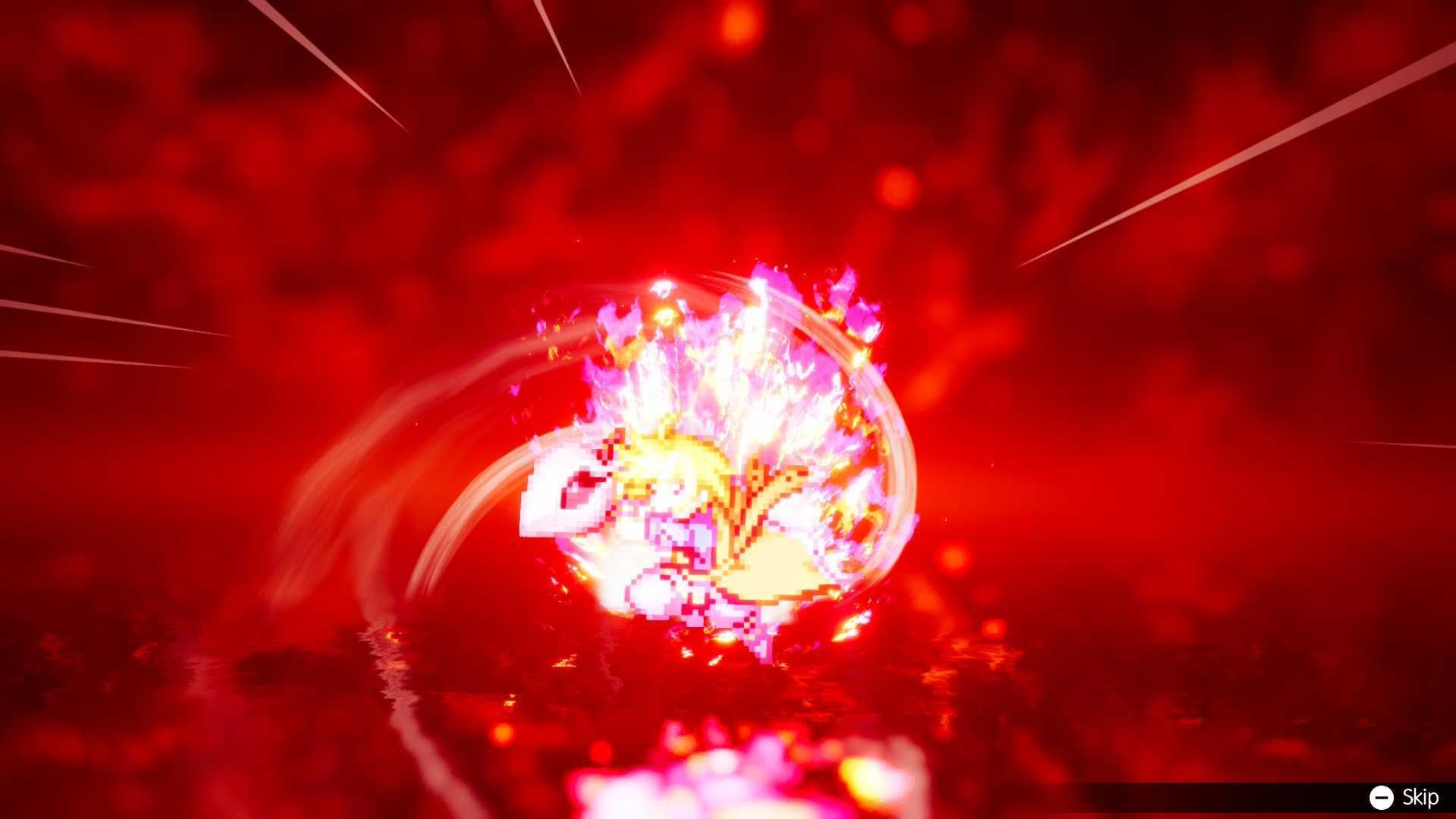
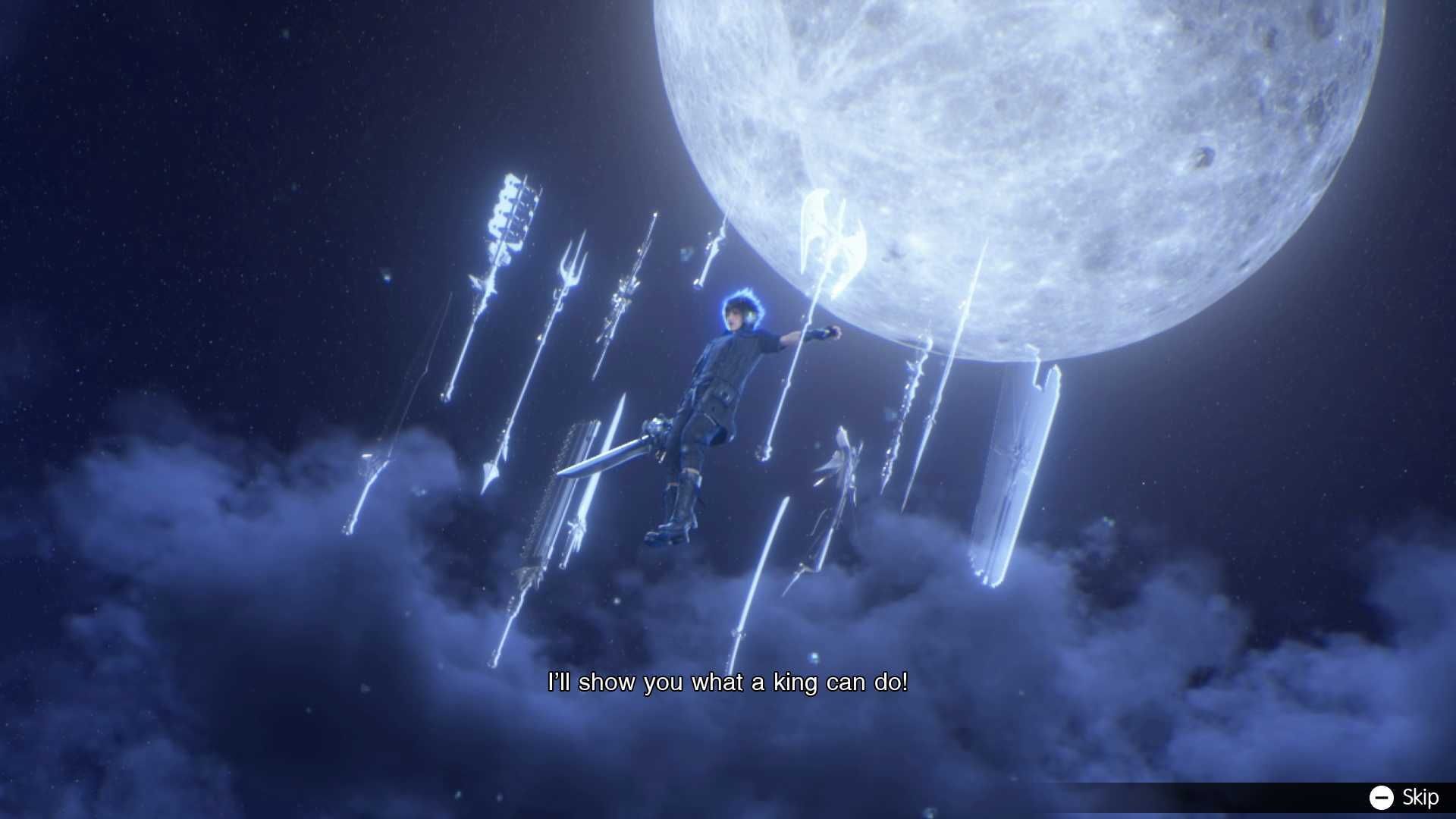
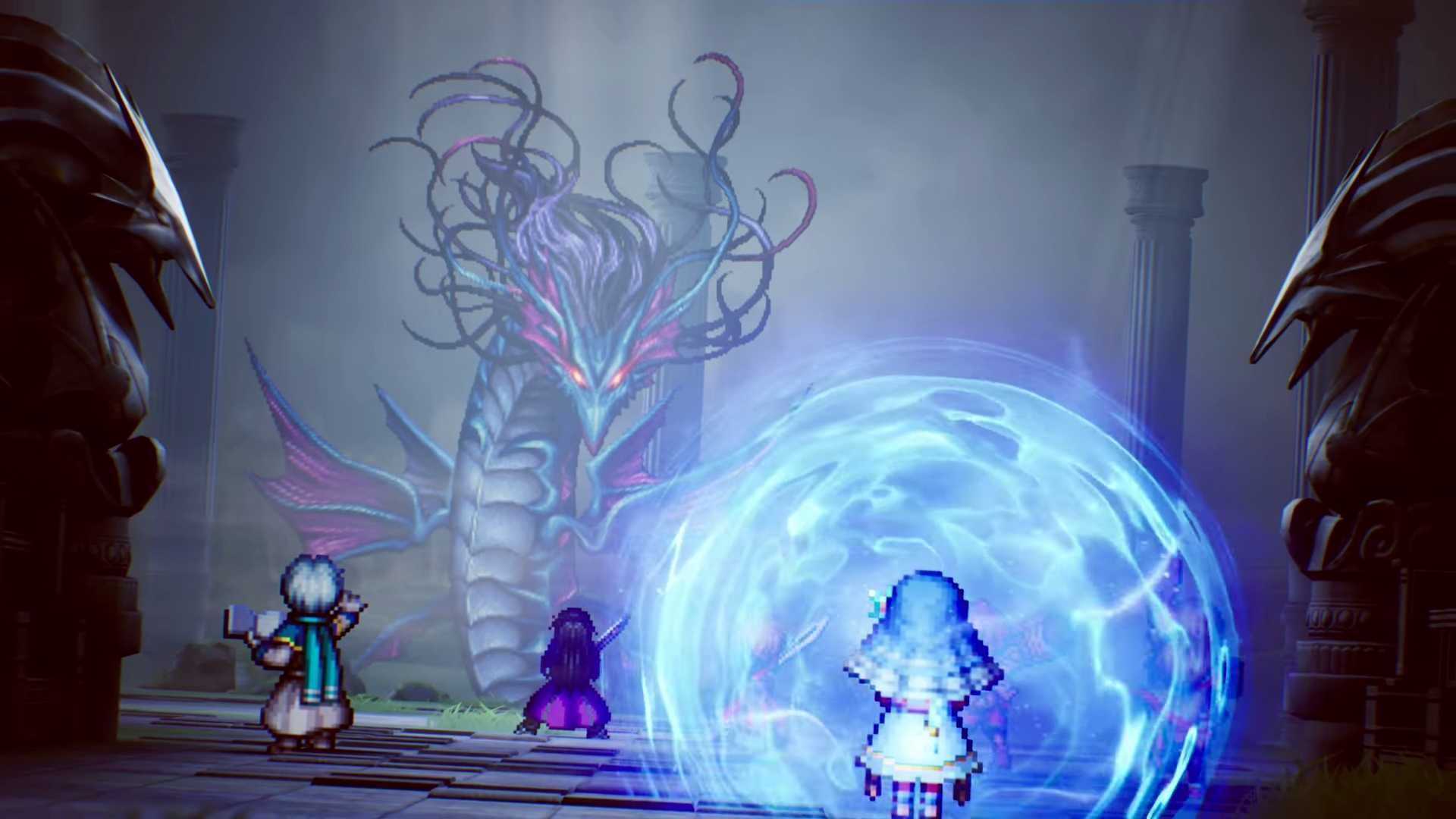
If you Stagger every enemy at once, you enter a Sweeping Stagger — your whole party will get a second action, and you’ll be able to deliver a powerful Resonance attack. This sees one of your equipped Visions rush forward to deliver a cinematic finishing blow — showcased by a 3D cinematic that briefly takes you out of the game’s HD-2D style.
Resonance isn’t just Final Fantasy meets Octopath Traveler. It might seem that way based on my description so far — seeing as it borrows Octopath’s visual identity and a core aspect of the series’ Break and Boost system
Exploring the game world to find secret items or hidden bosses always feels so rewarding. Especially later on, when you unlock the airship. There are several secrets I found out of pure curiosity, and it felt so fulfilling to be rewarded for hunting around.
But besides the nuances of Resonance’s Stagger system, which make it different from what Octopath offers, you’ll also find this game’s plot is quintessential Final Fantasy — more on that in a moment — and it takes a different approach with its Job / Class system through Visions. They feel more like weapons you swap in and out than a Class you’ll want to perfect and stick with.
Visions are (mostly) manifestations of the core Final Fantasy games’ protagonists which aid your party in combat: performing the Resonance attacks I mentioned earlier, but also unlocking a separate list of actions and abilities for the party member they’re equipped to. Most skills you’ll only have access to while the Vision is actively deployed, but there are also permanent unlocks to earn by mastering a Vision — letting you mix and match aspects of Visions on a single party member to craft your ideal champion.
As I mentioned, this will feel a lot like Jobs from other Square Enix titles, but because so much of a Vision’s identity is lost from your character when you unequip it — most permanent Mastery unlocks are more generic, yet still useful, abilities like improving stats — I’ve found it better to see Visions as Equipment. Before entering a tough fight, you might want to swap out your loadout to best suit the challenge ahead — such as equipping your party with water attack dealers when facing off against a fiery foe.
A medley or overstuffed buffet?
Taking everything I’ve said so far, you might fear Final Fantasy Resonance would turn out to be a mess.
It combines aspects of several games (Octopath Traveler, Brave Exvius, and classic Final Fantasy). It jumps between 3D and HD-2D visuals across different cinematics. There’s just over two dozen Visions to master, each their own skills to augment the base abilities your party develops. You can call forth powerful Summons to deal even more damage to your foes. There’s a giant map to explore, bursting with secrets to discover in every corner. There are main quests and side missions to complete over tens of hours, as well as secret boss fights and a coliseum to become the champion of.
It’s a lot, yet Final Fantasy Resonance never felt like a mess.
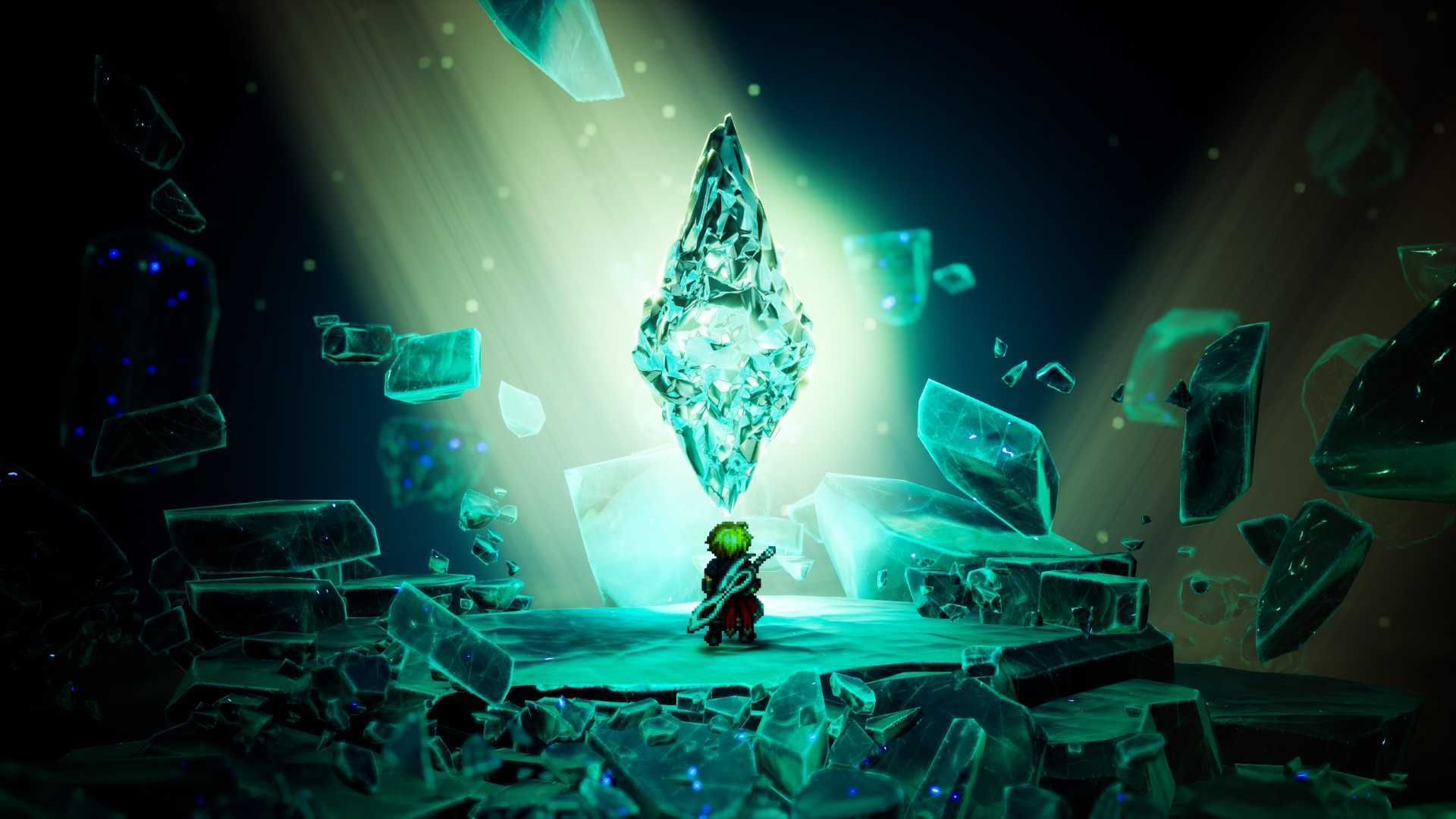
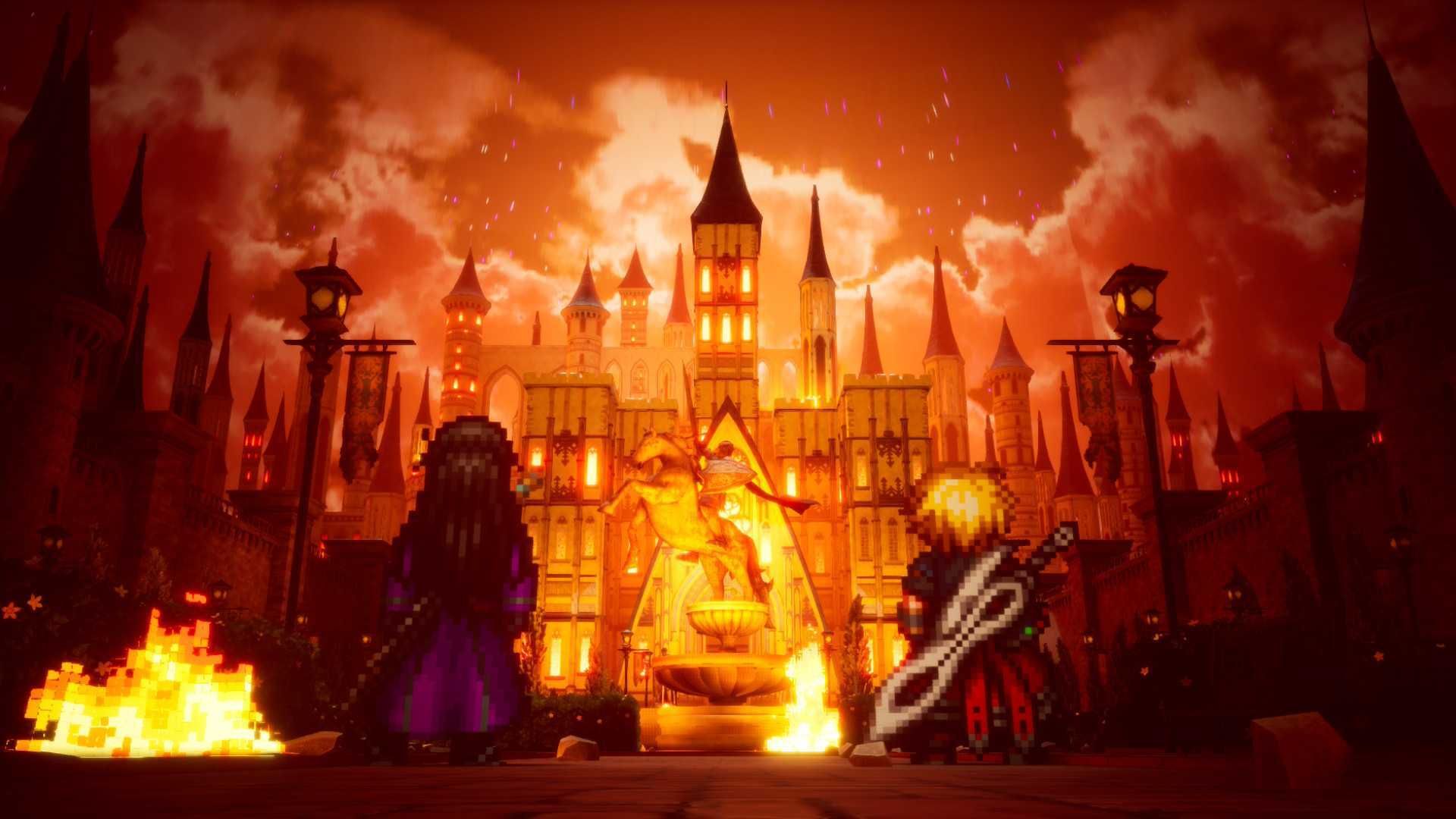
Square Enix shows a mastery of the HD-2D art style. The world’s environments are stunning, character sprites are expressive, and there are some amazing 2D spectacle across the game’s cutscenes and attack animations. The animatics feel fan-made in a good way — full of expression, and getting as much as possible from the medium.
The flashes of 3D work surprisingly well to augment special moments. Rather than feeling incongruous, the 3D Vision Resonance attack and Esper Summon cinematics give these abilities an appropriately otherworldly aspect.
Games which let you throw everything and the kitchen sink at your enemies have a habit of feeling too easy. However, playing on Expert difficulty, I found fights (especially boss fights) were a challenge — one I could overcome, but not without playing tactically. Button mashing and praying won’t save you here.
These different abilities also built up gradually over time. This let me get to grips with systems before some new aspect was thrown into the mix.
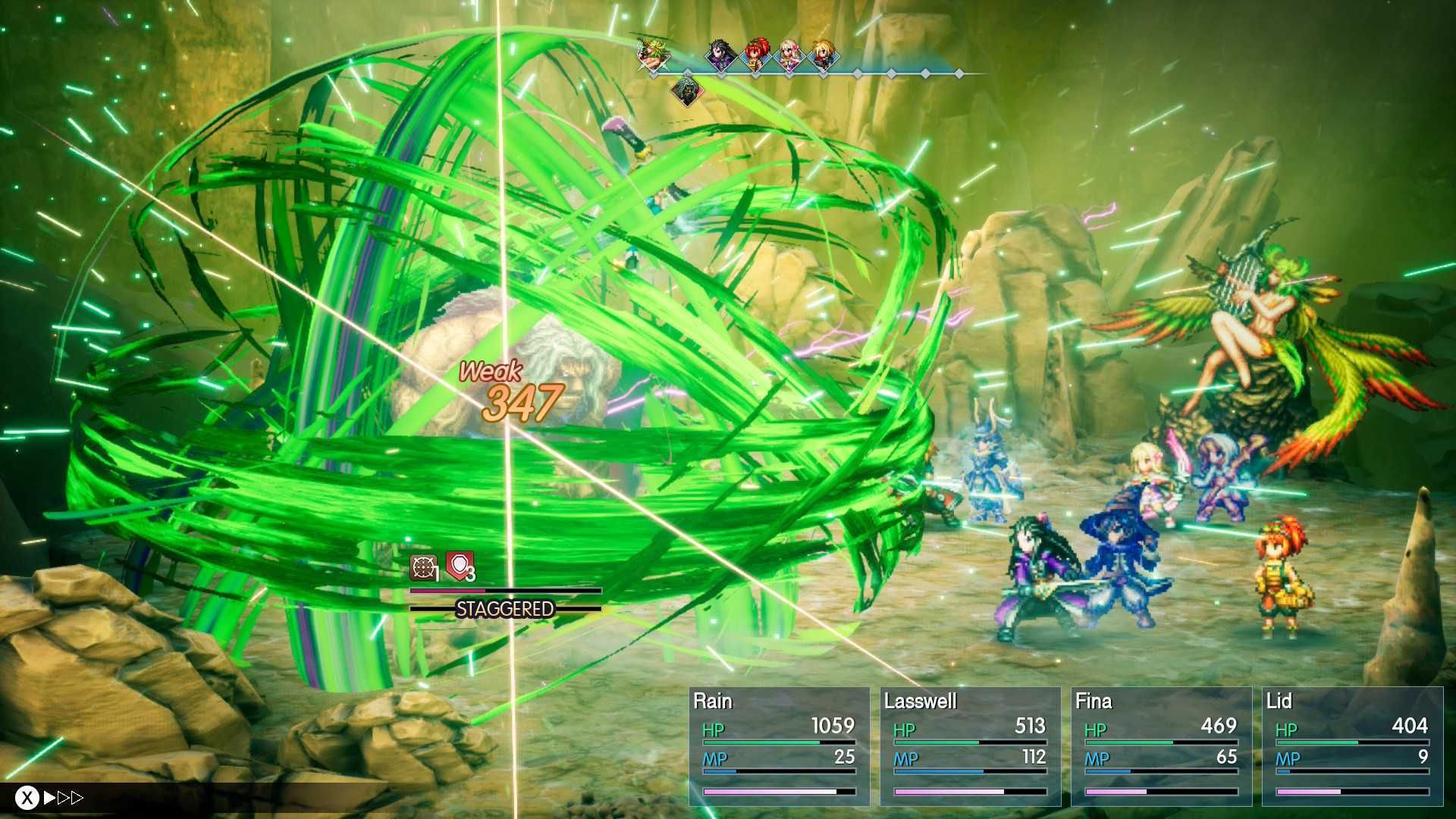
And when the gameplay is so engaging, and the visuals so beautiful, I had no problem adventuring back and forth to complete side quests and seek out every secret hiding in the world.
Close to perfection
If I must find fault with Final Fantasy Resonance, it would be in two areas.
The first is that while I love a lot of the Visions system, it struggles for much of the mid-game because it focuses too much on the main Final Fantasy protagonists who are (let’s face it) pretty samey. This is showcased by the fact that the majority of them are classified as Commando or Breaker types.
The precise builds and abilities do change, but for example there aren’t many supportive Healers amongst them — meaning building out a dedicated support character in your party is a little tough at times as you’ll either need to stick with a Vision you’ve mastered, or accept your party will be multi-classing early on.
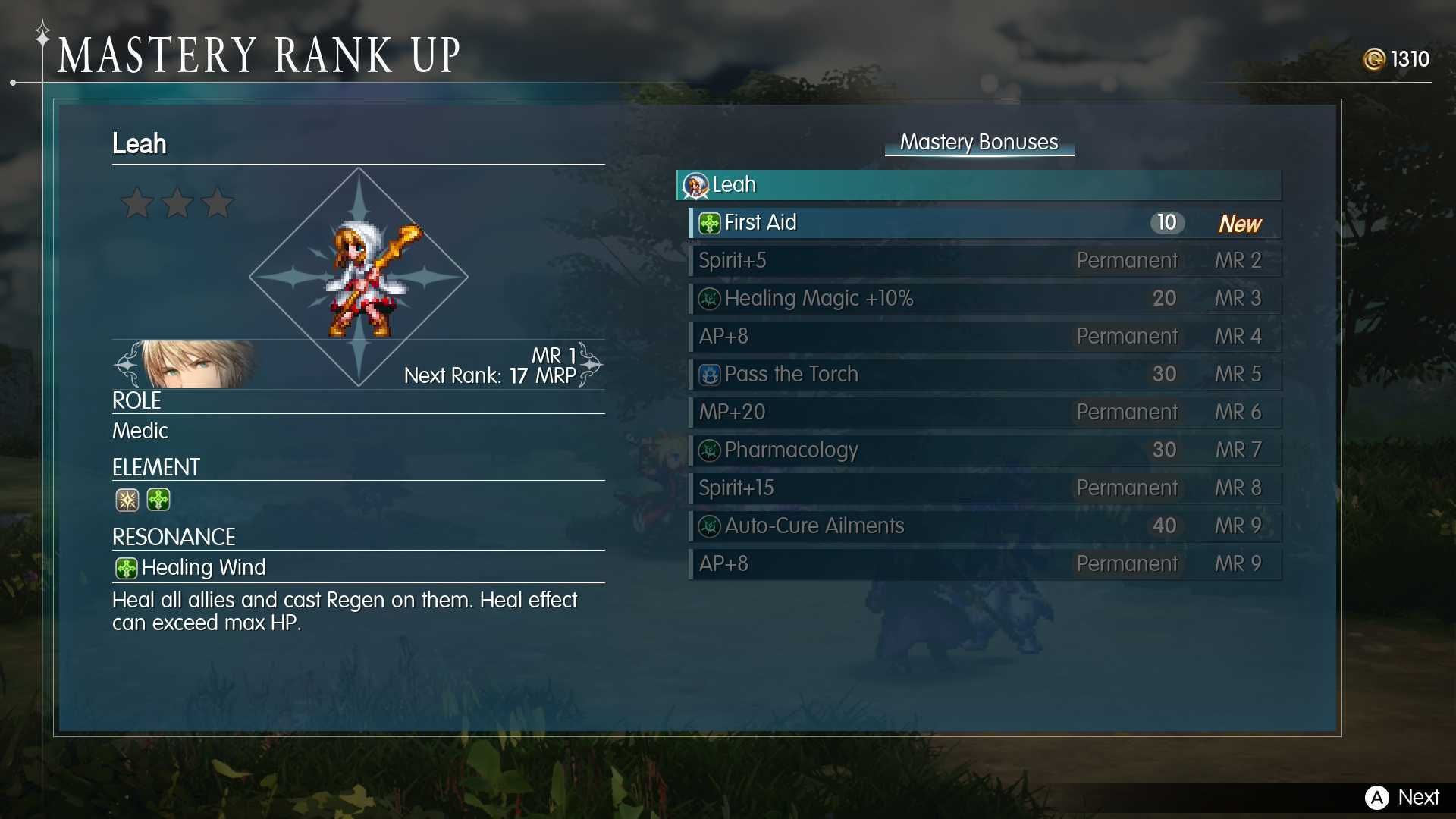
Given how useful some Mastery abilities are, you’ll want to multiclass to some extent (Tronn’s ability to halve MP costs is one you need to unlock for as many characters as possible as soon as possible), but given the game says the Vision system offers you the freedom to customize the party however you want, I was a little disappointed that the reality doesn’t quite match this.
Secondly, I’d say the plot is Final Fantasy in its purest form. There are crystals, war between ancient mystical powers and new age technology, sacrifice for the greater good, twists and turns that reveal secrets about the characters’ and the world’s past, and an awful lot else that is a little cliché.
The story is certainly good enough to keep me engaged; it’s just nothing special.
Though as I’ve said, neither of these gripes kept me from adoring Final Fantasy Resonance. Every time I sat down to write this review I had to force myself to not reach over for my Nintendo Switch 2 to play another five minutes — and like any good game my attempts to set time limits on myself never succeeded in keeping my play sessions shorter than a few hours at a time.
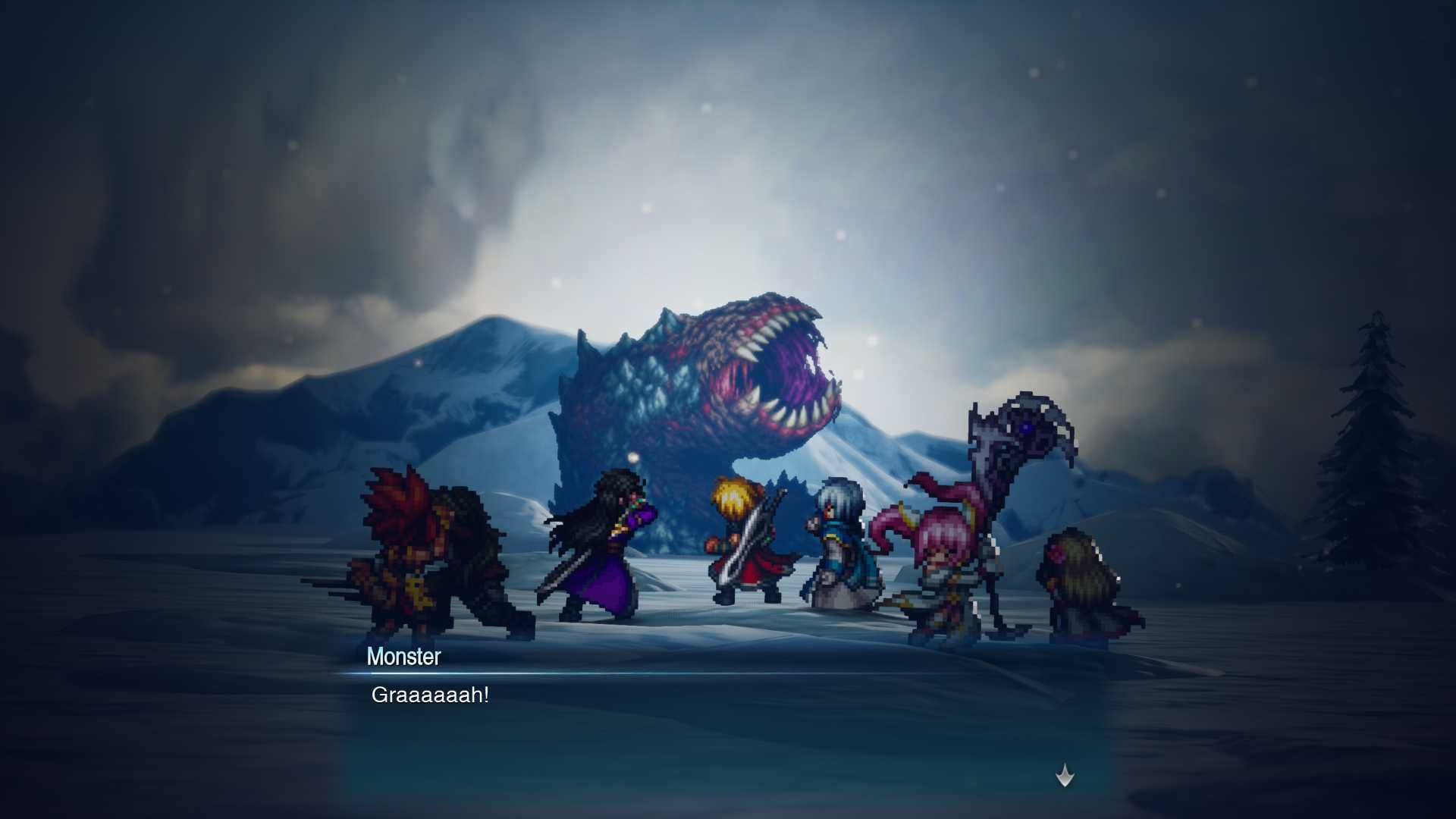
While it is available on several consoles and PC, my Nintendo Switch 2 has been superb. If you have a choice, this is where I’d recommend playing, as it runs so smoothly, it’s easy to chip away at quests while on the go, and you can still enjoy a beautiful big-picture experience when the handheld is docked.
Should you play Final Fantasy Resonance?
Play it if…
You miss classic Final Fantasy
Resonance is the best Final Fantasy game I’ve played in years, in all the best ways. It feels both new and old and is sure to delight long-time fans of the series.
You love Octopath Traveller
There’s a lot of Octopath in this game, yet Resonance still feels unique enough to scratch the HD-2D itch without feeling samey.
You want a long, but not too long, RPG
Unlike some RPGs that can stretch into the hundreds of hours, most players will finish Resonance and its side quests somewhere between 30 and 50. Still long enough to sink your teeth into, but not have it take over your life.
Don’t play it if…
You hate turn-based combat
Not everyone enjoys the tactical ebb-and-flow of a turn-based RPG. If that’s you this game isn’t for you.
You hate exploration
While not as vast as an open-world game, Final Fantasy Resonance is full of hidden secrets to find across its overworld, and dungeons. If you prefer a more linear adventure you might not get as much out of this experience as you could.
You’re tired of cliché fantasy stories
The Final Fantasy Resonance story feels like an amalgamation of every FF game to come before. It’s not bad, but the twists and turns are frequently predictable which can disappoint gamers who love a good story.
Accessibility features
Besides the features built into your console of choice, Final Fantasy Resonance has no accessibility features baked into it.
However, as a turn-based RPG, gameplay can be as slow as you need. It doesn’t matter if you take five seconds, five minutes, or five hours to lock in an action, and unlike games such as Clair Obscur: Expedition 33, there are no active parry or dodge mechanics that require precise timing on the player’s part.
How I reviewed Final Fantasy Resonance
I reviewed Final Fantasy Resonance for around 30 hours on my Nintendo Switch 2. Predominantly, this was with base system hardware in handheld mode — plugging away on trips, my commute, and while relaxing on the couch — but I did experience the big-screen docked mode for several hours on my 4K Fire TV (relying on an 8BitDo Ultimate 2 controller for inputs).
In all modes, the game ran smoothly, and I never regretted my decision to play the game on the least powerful system it’s launching on.
First reviewed October 2026
“}]]
 This Octopath Traveller meets defunct mobile gacha game is the best I’ve played on my Nintendo Switch 2 all year. Read More Latest from TechRadar US in Reviews