
[[{“value”:”
Almost six years after launching the original EP800 e-MTB motor and four years after the updated EP801, Shimano has unveiled its latest drive unit, the EP810.
Shimano’s drive units have been widely adopted for years and were fitted to some of the earliest e-MTBs we had through FlowHQ. But motor development has come at a blistering pace, and the Japanese brand has had its work cut out for it to compete with the likes of Bosch and Avinox.
So, let’s dive in and uncover what’s new with the latest Shimano EP810.
Related:
Shimano EP810 Drive Unit Overview
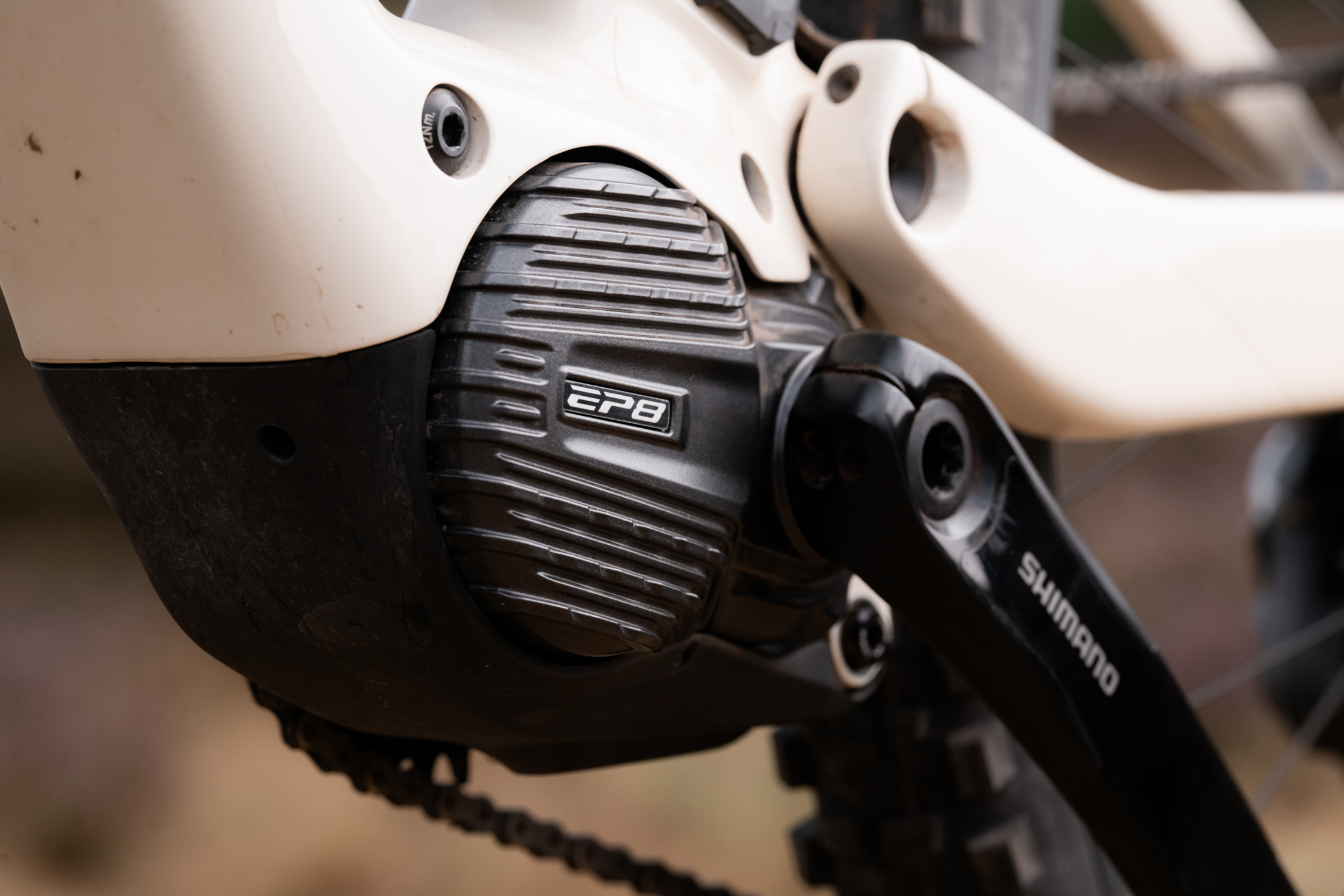
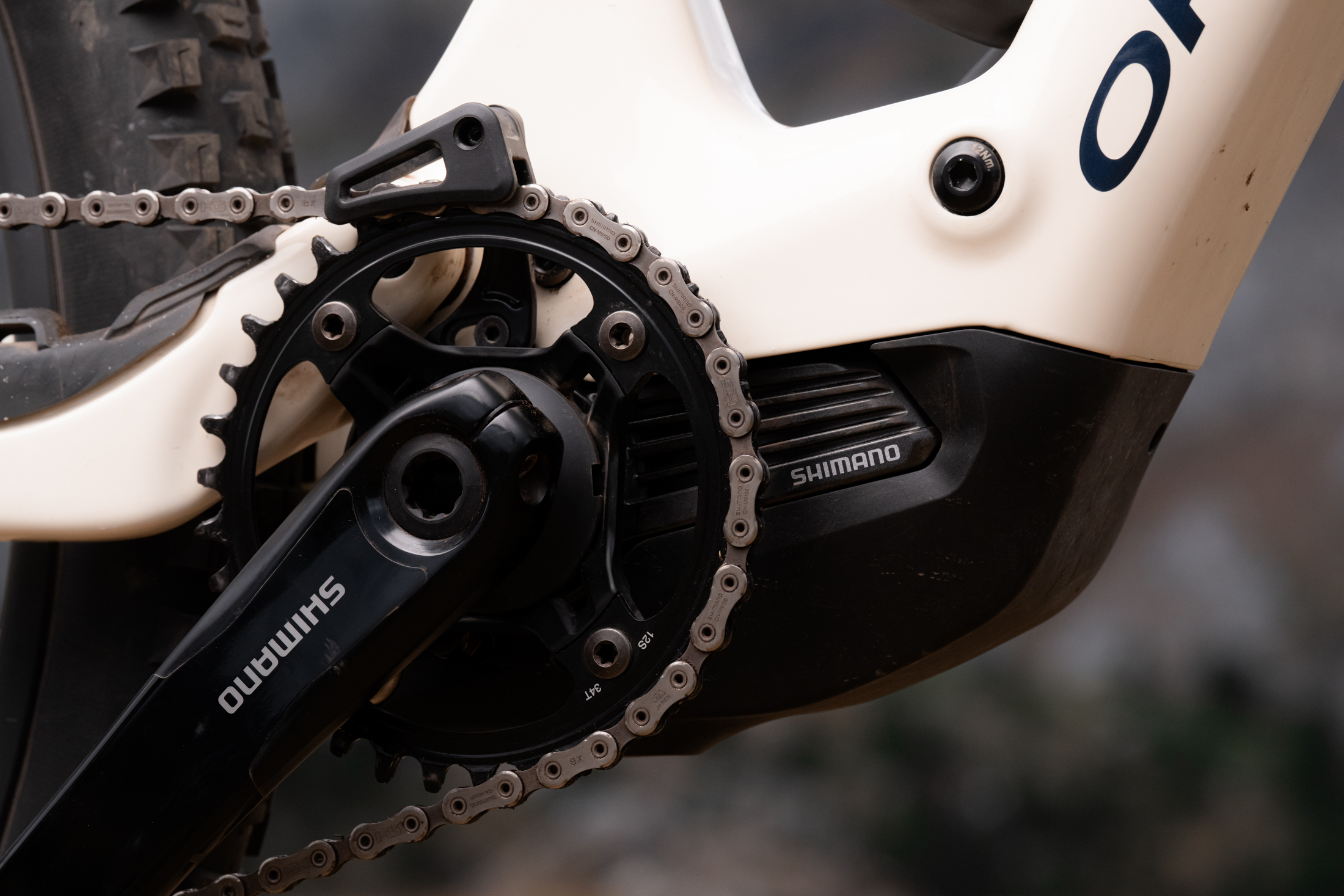
To kick things off with the key stats, Shimano designed the EP810 motor to produce a maximum power output of 750W, with a maximum torque of 100Nm. That’s boosted from 600W and 85Nm on the outgoing EP801 motor.
The motor alone weighs a claimed 2.3kg, down from the 2.6kg old version. Both use a magnesium casing and share a similar form factor, so we can only assume Shimano made internal weight savings to shave off 300g.
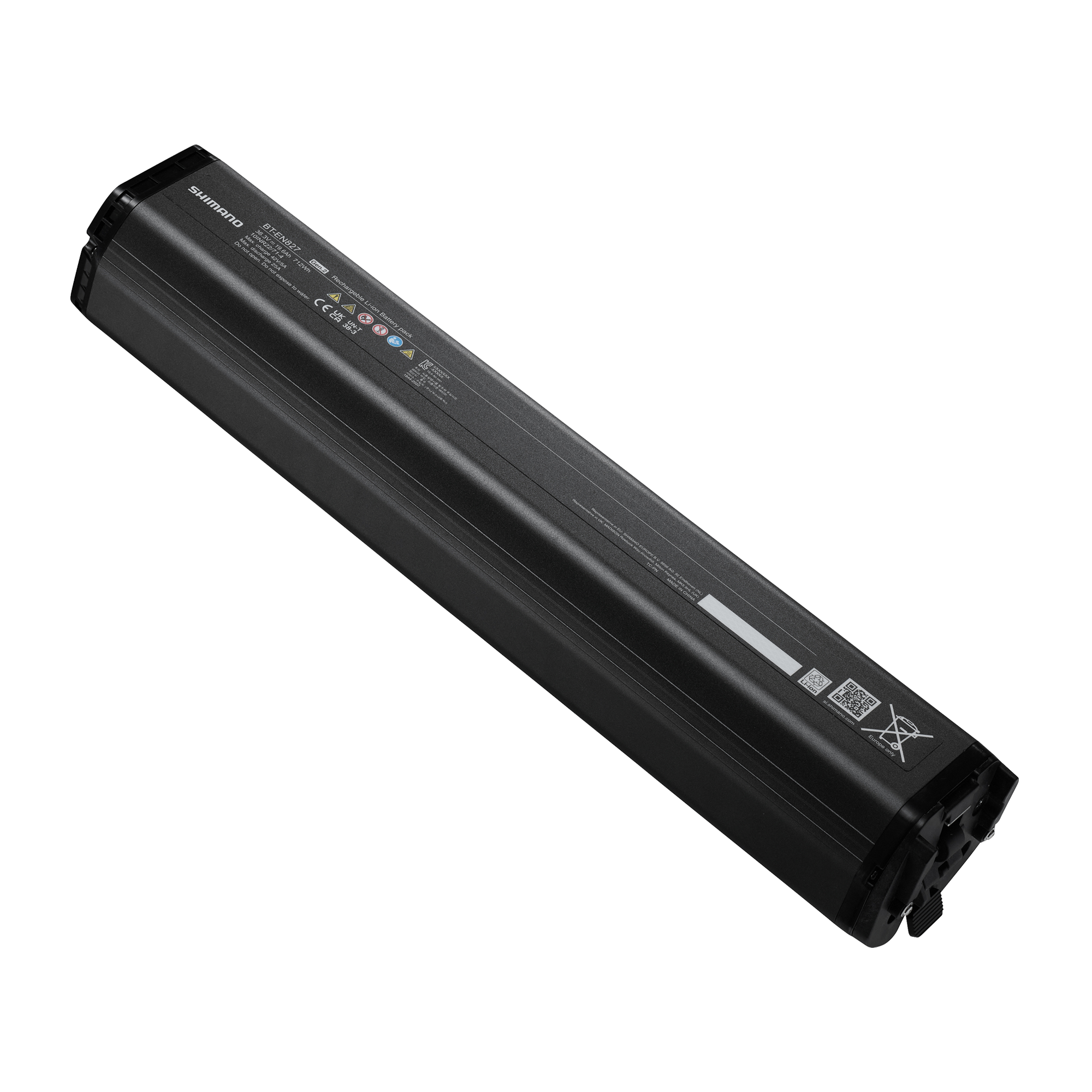
Paired with the new motor is a Lithium-ion battery with a total capacity of 720Wh. Shimano lists a claimed weight of 4.1kg, and it adopts a rectangular form factor measuring 420mm long, 84mm wide, and 73mm tall.
Interestingly, Shimano lists the battery voltage at 43.2V, up from the 36V system the EP801 ran on. Higher voltage lets the motor produce more power and torque while drawing less current, reducing heat and improving efficiency. Giant and Yamaha have gone down a similar high-voltage path with the latest SyncDrive motors.
An integrated screen, a wireless remote and updated ride modes
Alongside the updated motor package is a new integrated screen, plus a sleek wireless remote to scroll between ride modes. It’s not a touchscreen, but it neatly displays all the essential data without cluttering the handlebars.
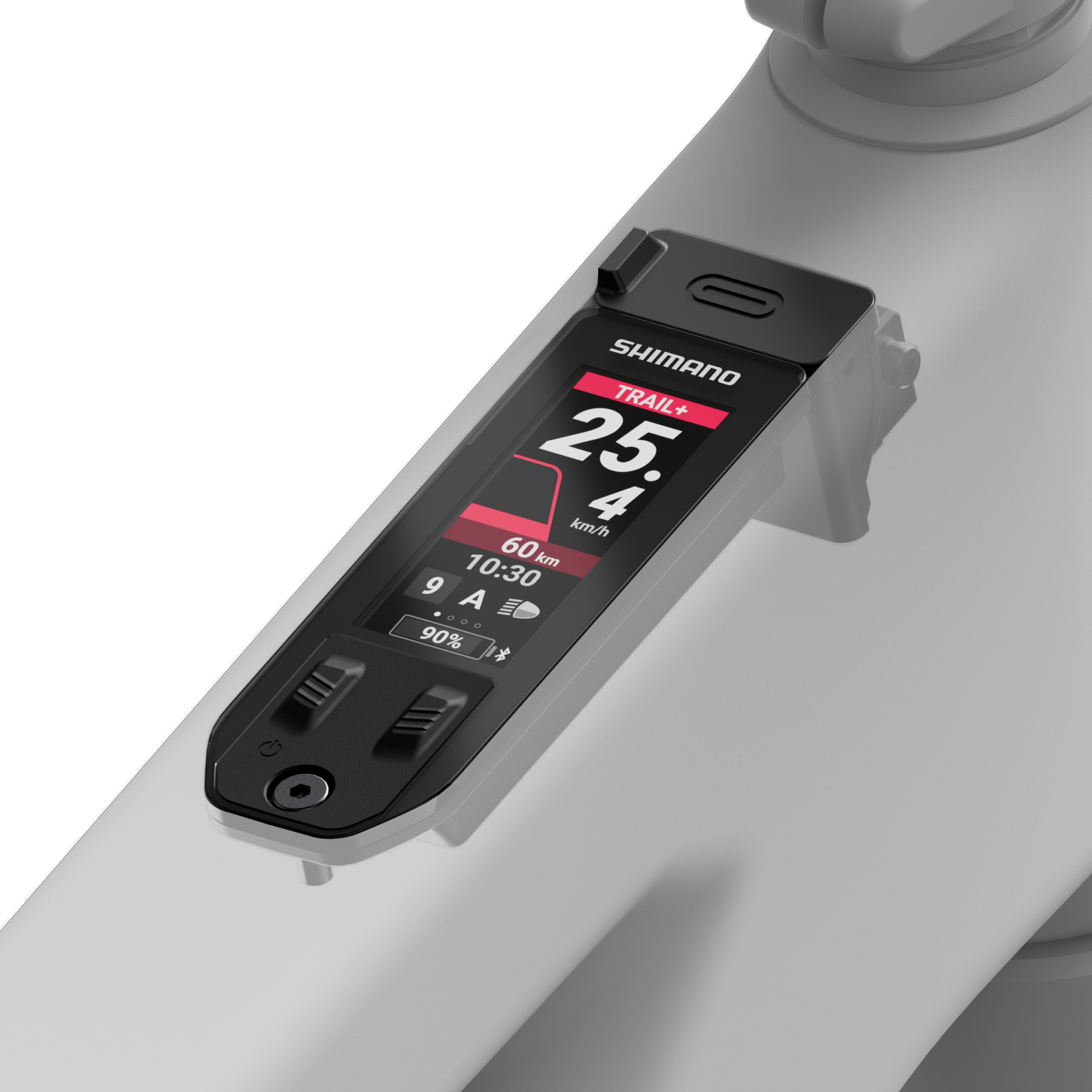
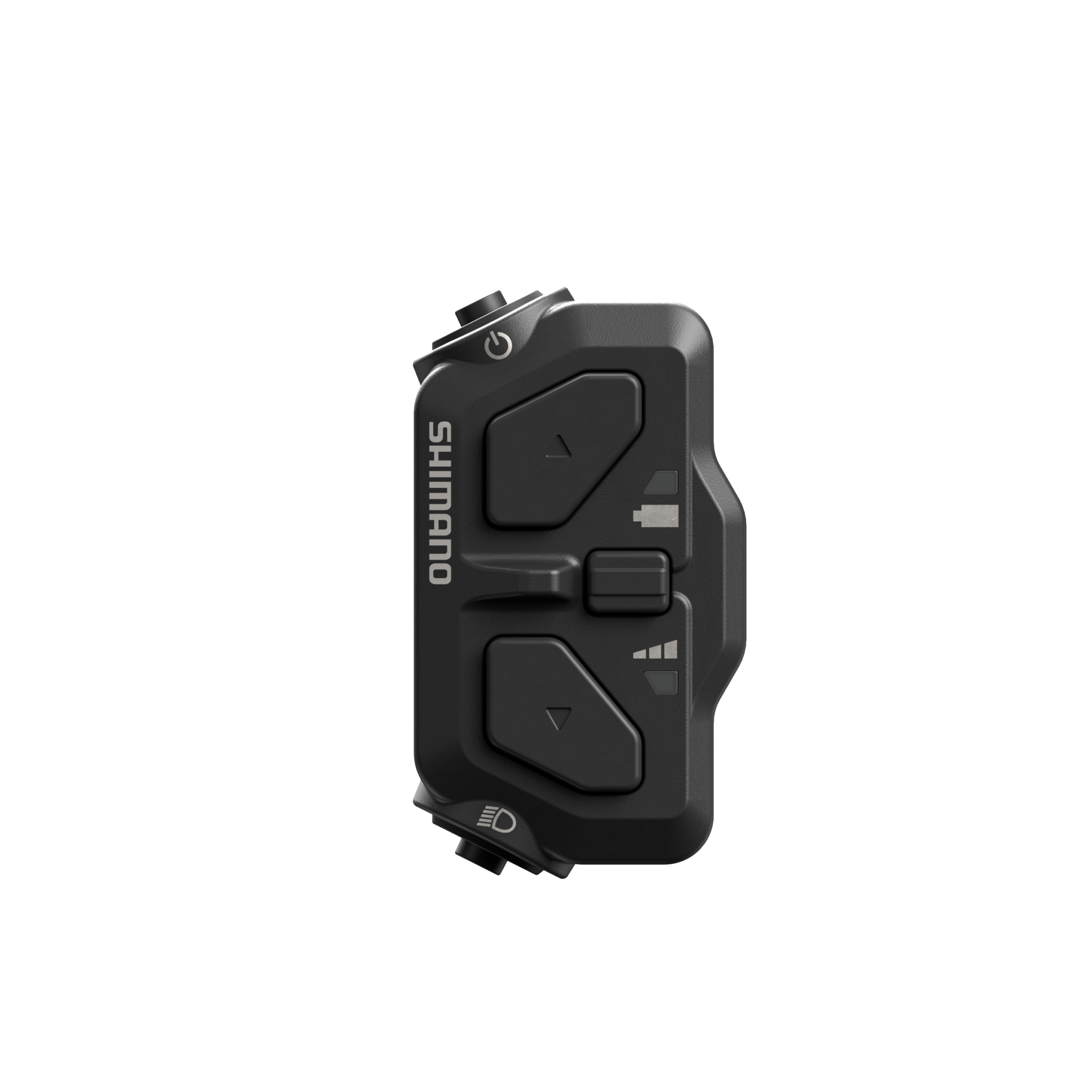
There is also a new ‘auto’ mode, dubbed Trail+, that uses internal sensors to constantly monitor the terrain and adjust the motor output. Alongside this, Shimano has also released the third generation of Autoshift, which works with its electronic Di2 drivetrains and shifts automatically based on terrain and rider input, creating a truly fuss-free riding experience.
This follows Shimano’s Q’Auto shift system, released in 2025, which uses self-learning to refine the autoshift algorithm based on your riding style. While this level of complexity doesn’t directly appear to be integrated into the new EP810, it’s interesting to see the brand continue to push the envelope on fully automated systems.
Related:
- Shimano XT M8200 Di2 Drivetrain Review | Nearly 40% cheaper, but could it actually be better than XTR?
- Shimano XTR M9200 Di2 Review | 7 months with Shimano’s brand new wireless electronic drivetrain
Which bikes will come with the Shimano EP810 motor?
At launch, we know of only two bikes designed around the latest EP810 motor.
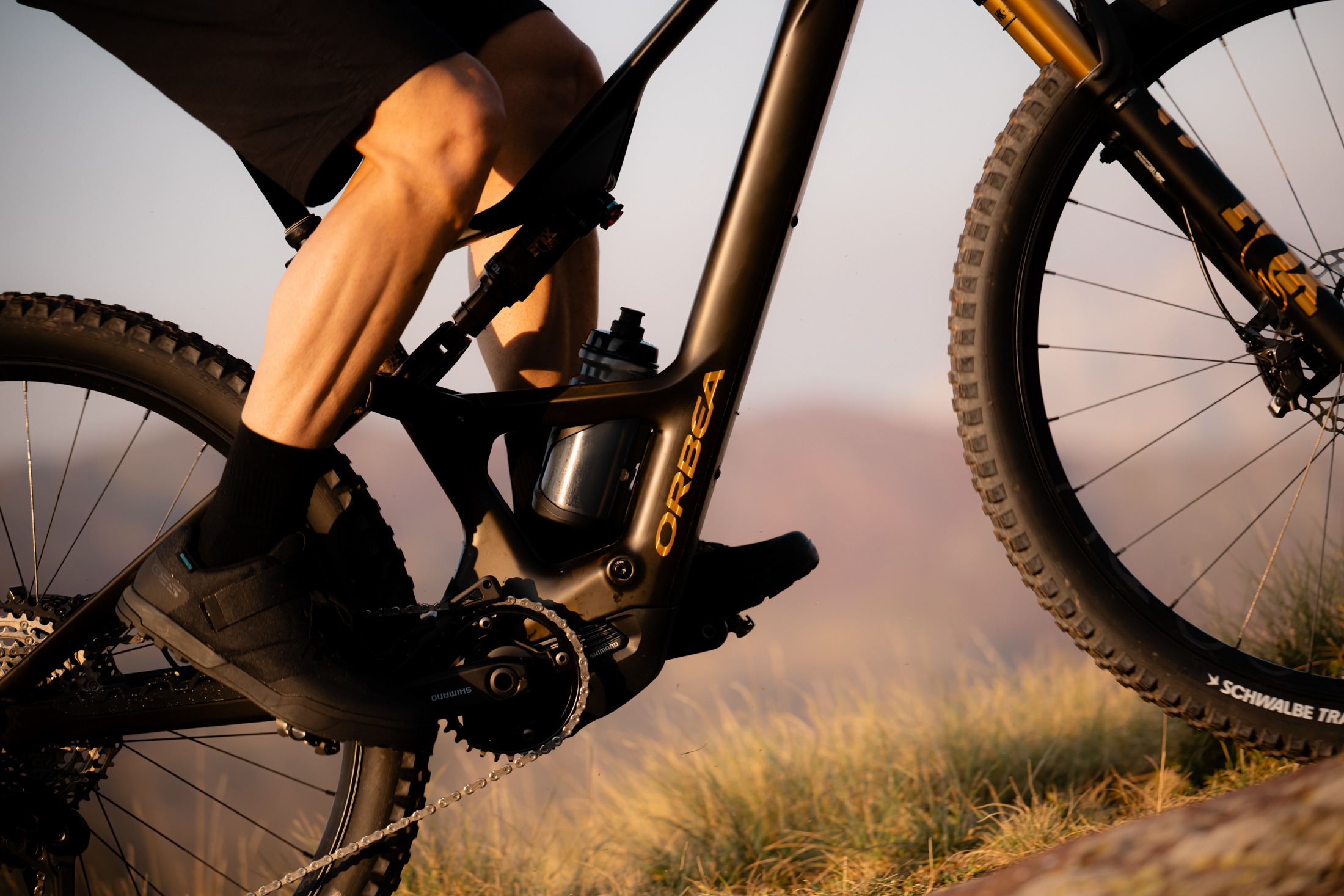
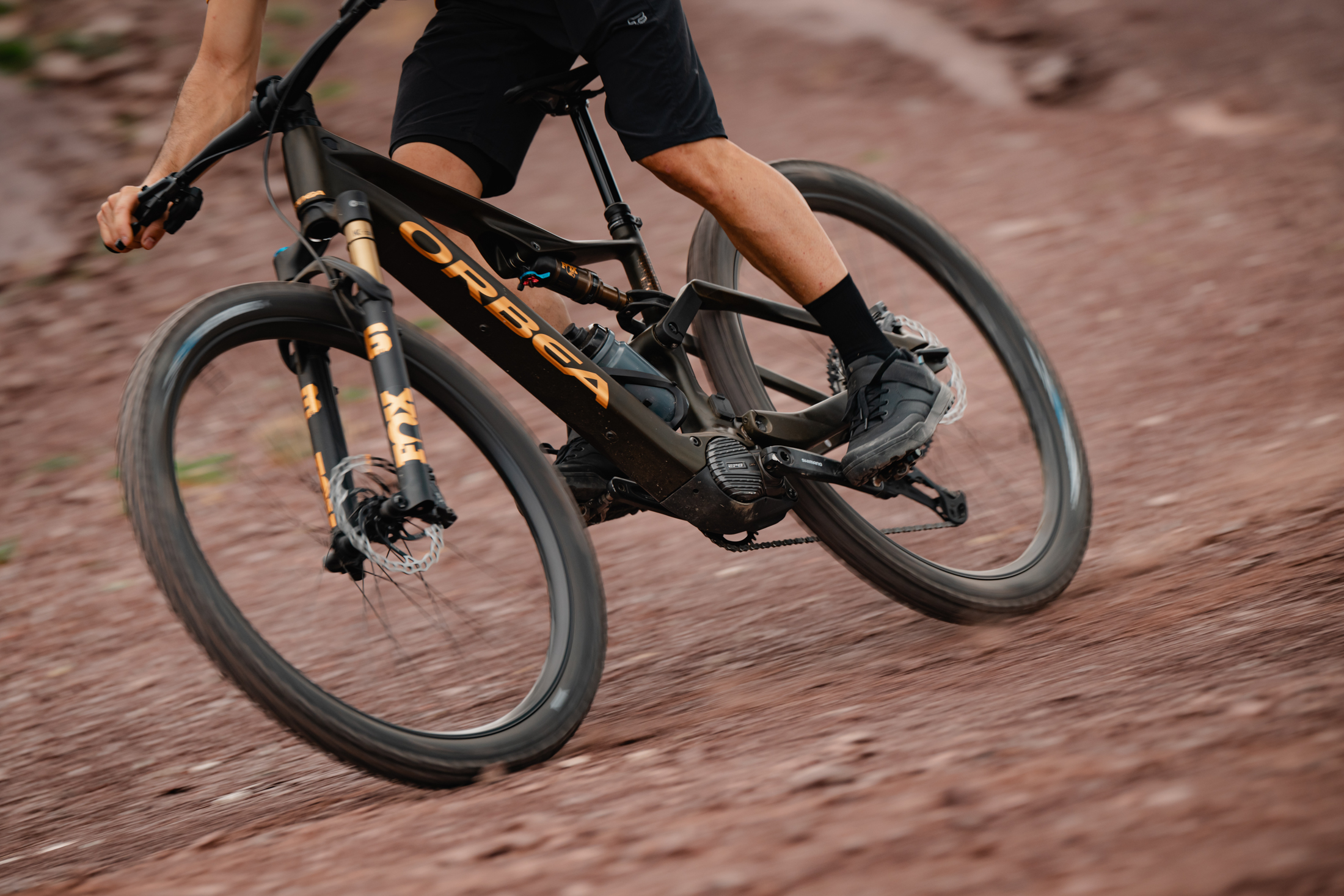
One is the updated Orbea Rise, a platform we know well at Flow, having tested the previous-generation Orbea Rise with the EP801 RS Gen2 motor in 2025.
The second bike we know of fitted with the EP810 system is the Honda RN0, the Japanese brand’s second foray into the mountain bike world following its success on the DH circuit some 20 years ago.
Flow’s Initial Thoughts
We’ve spent a lot of e-MTB trail time on Shimano’s motors over the years, and it’s exciting to see the Japanese manufacturer keep refining its drive-unit offering.
That said, the EP810 may be a case of ‘too little, too late’ for Shimano, with brands such as Bosch and Avinox dominating the space with high-powered drive units and sophisticated integration. Even newcomers to the game, such as Aventon, boast output figures of 120Nm and 850W in boost mode, and while spec-sheet numbers don’t tell the whole story, it’s hard to criticise the ride feel of those motors, too.
Nothing about the EP810 feels particularly groundbreaking, and we suspect the launch doesn’t tell the full story of what Shimano is capable of. Maybe it’s a placeholder to show the brand is still in the e-MTB game while it continues developing something bigger and bolder? Stay tuned.
The post First Look | Shimano releases the updated EP810 e-MTB motor appeared first on Flow Mountain Bike.
“}]]
[[{“value”:”Almost six years after launching the original EP800 e-MTB motor and four years after the updated EP801, Shimano has unveiled its latest drive unit, the EP810. Shimano’s drive units have been widely adopted for years and were fitted to some of the earliest e-MTBs we had through FlowHQ. But motor development has come at a
The post First Look | Shimano releases the updated EP810 e-MTB motor appeared first on Flow Mountain Bike.”}]] Read More Flow Mountain Bike
#flowmtb #mtb